Photo: Boštjan Podlogar/Slovenian press agency
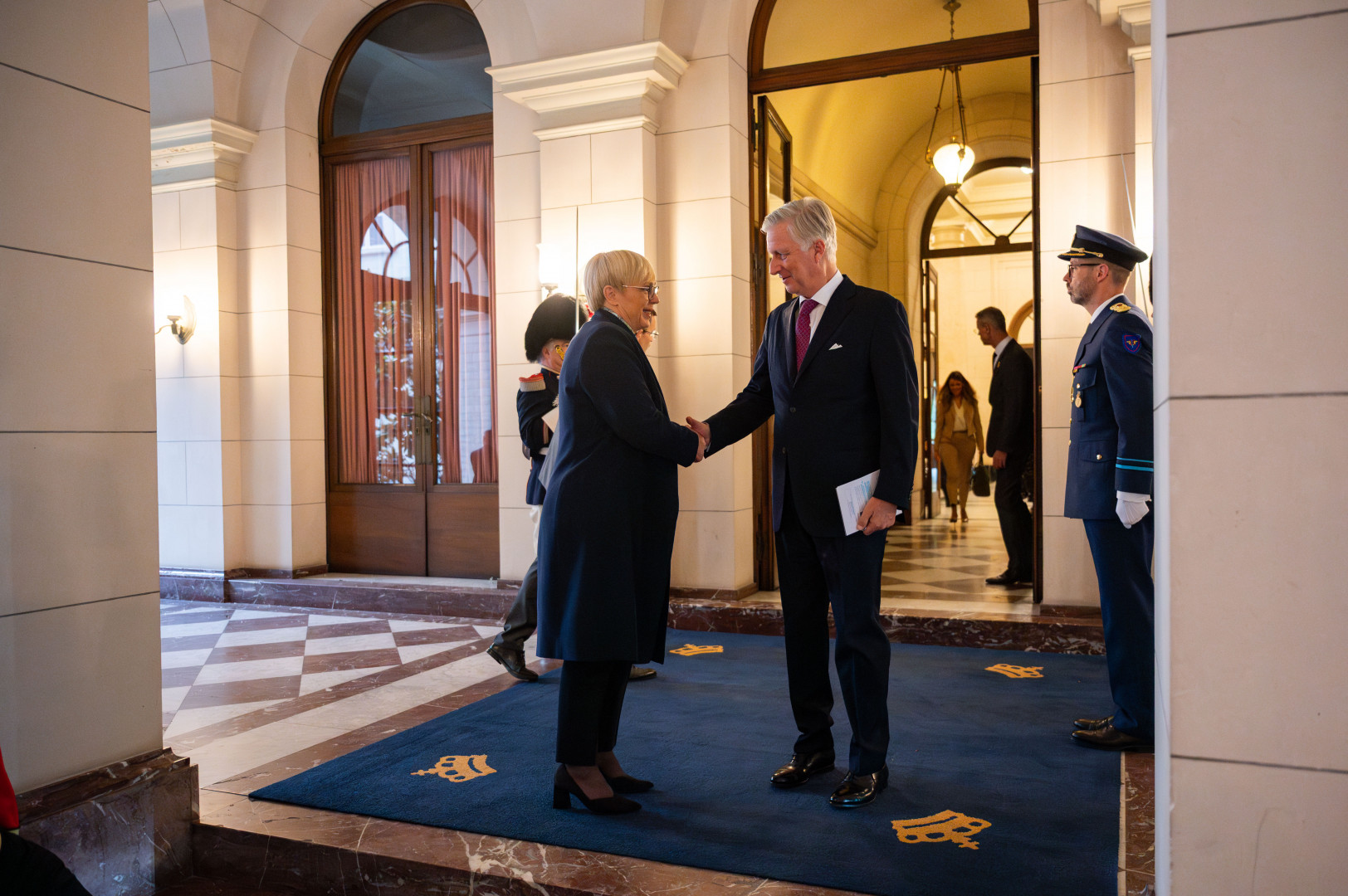
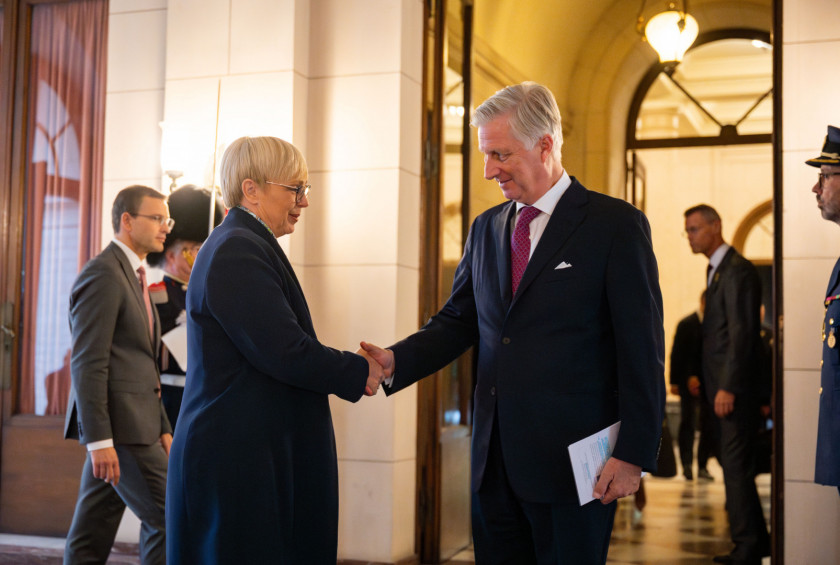
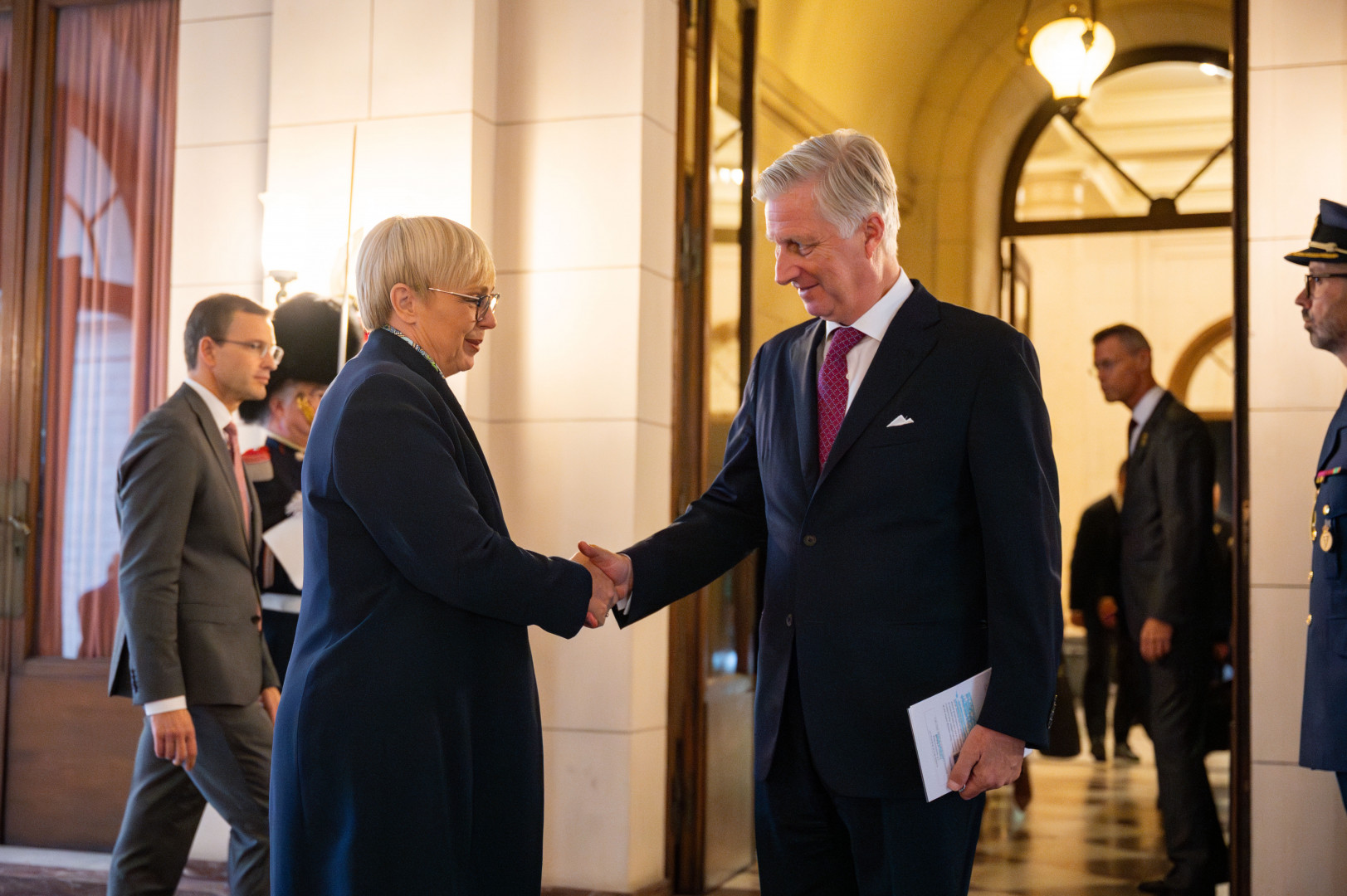
Meeting with King Philippe of Belgium confirms excellent relations between Slovenia and the Kingdom of Belgium
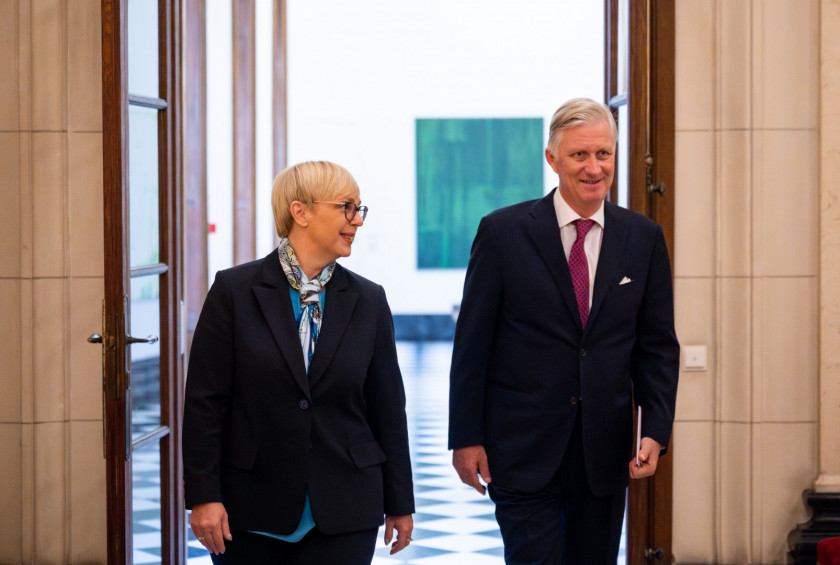
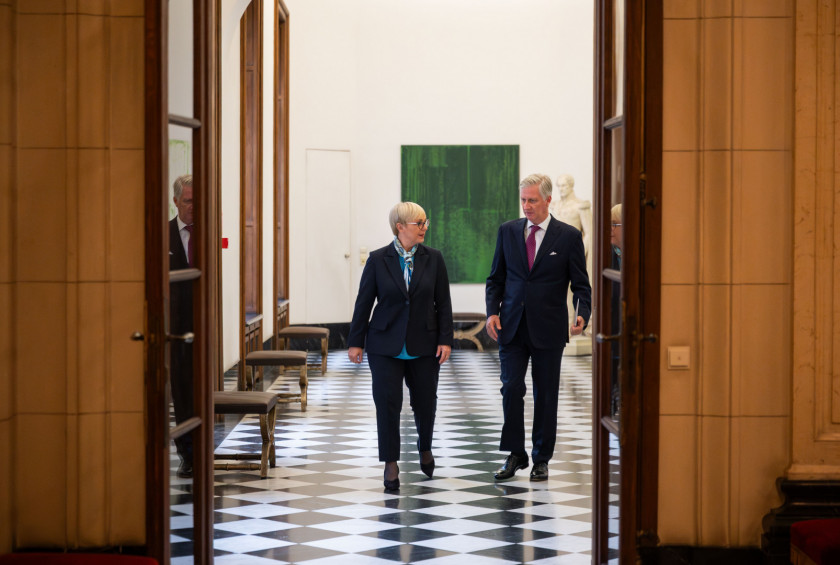
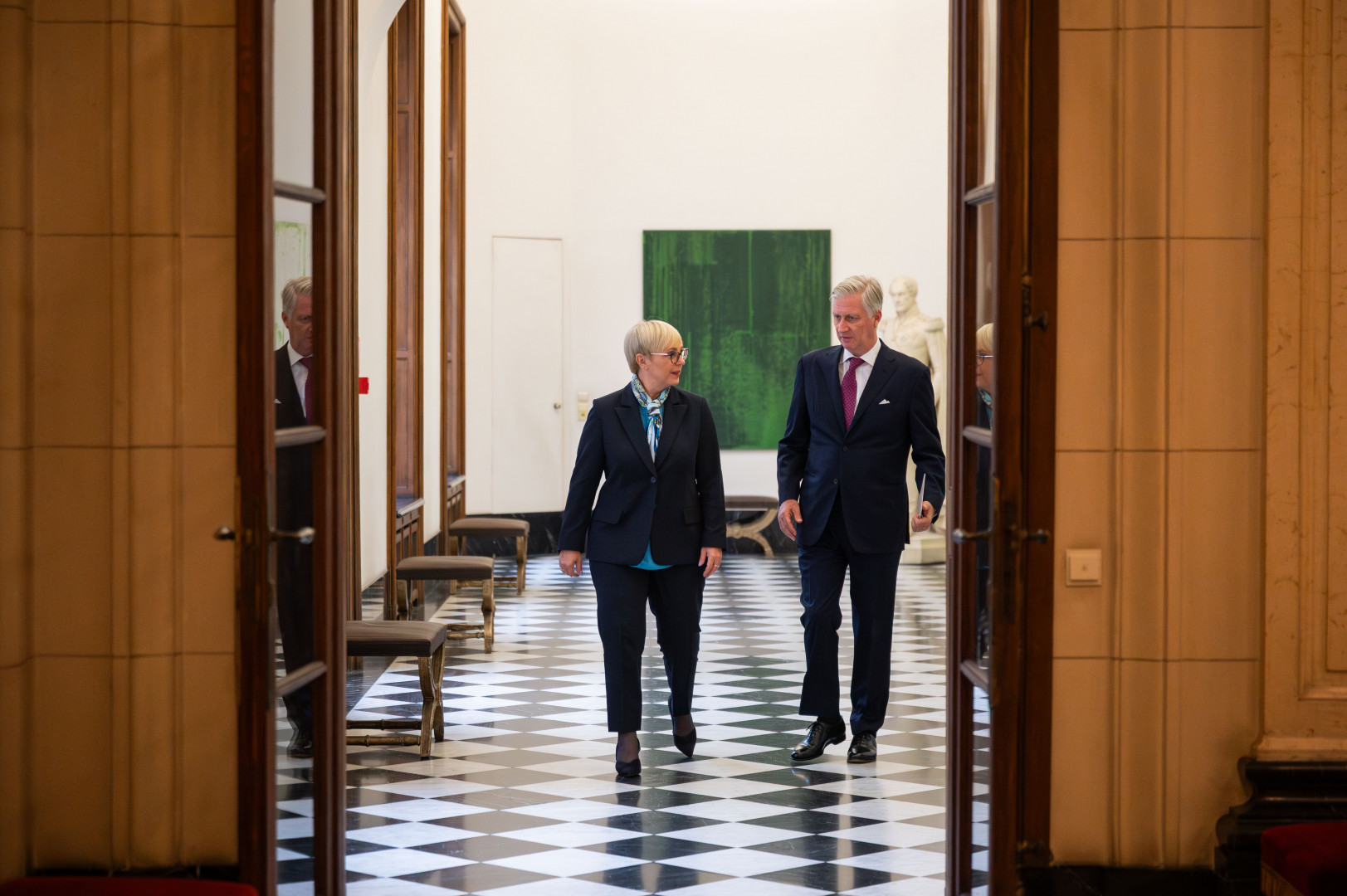
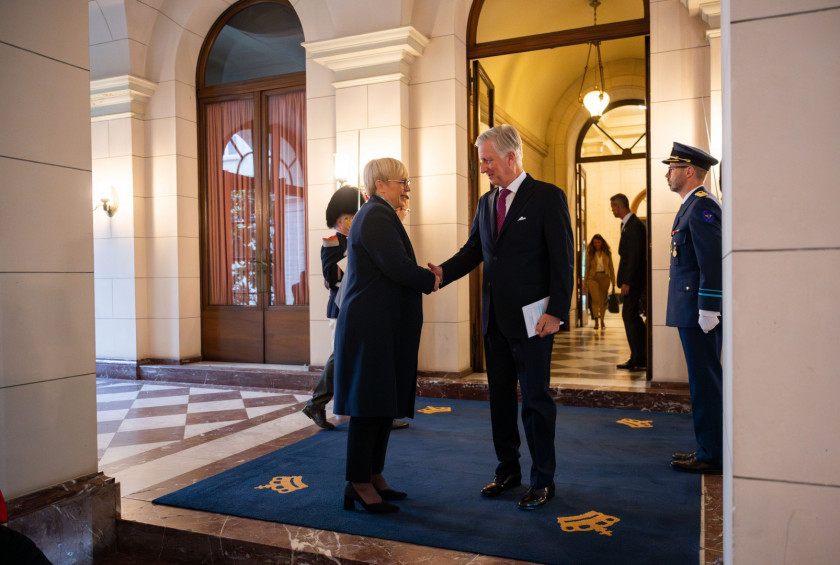
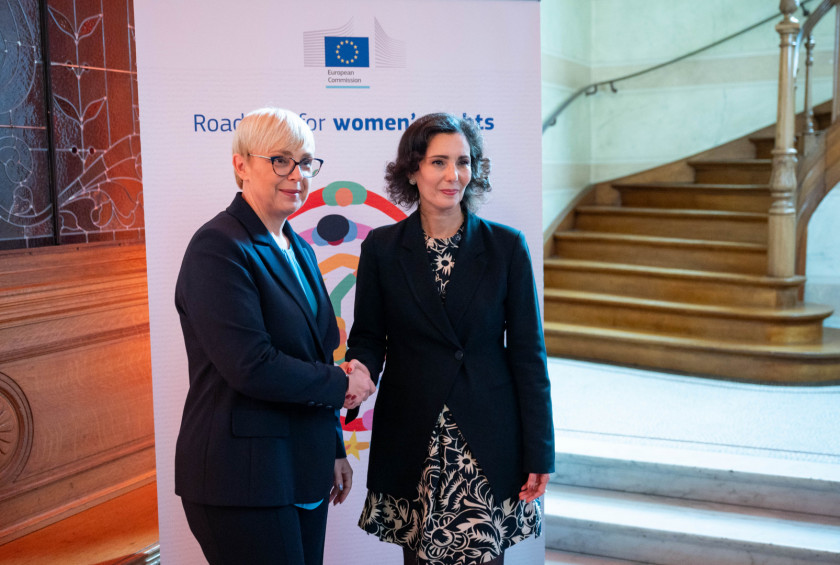
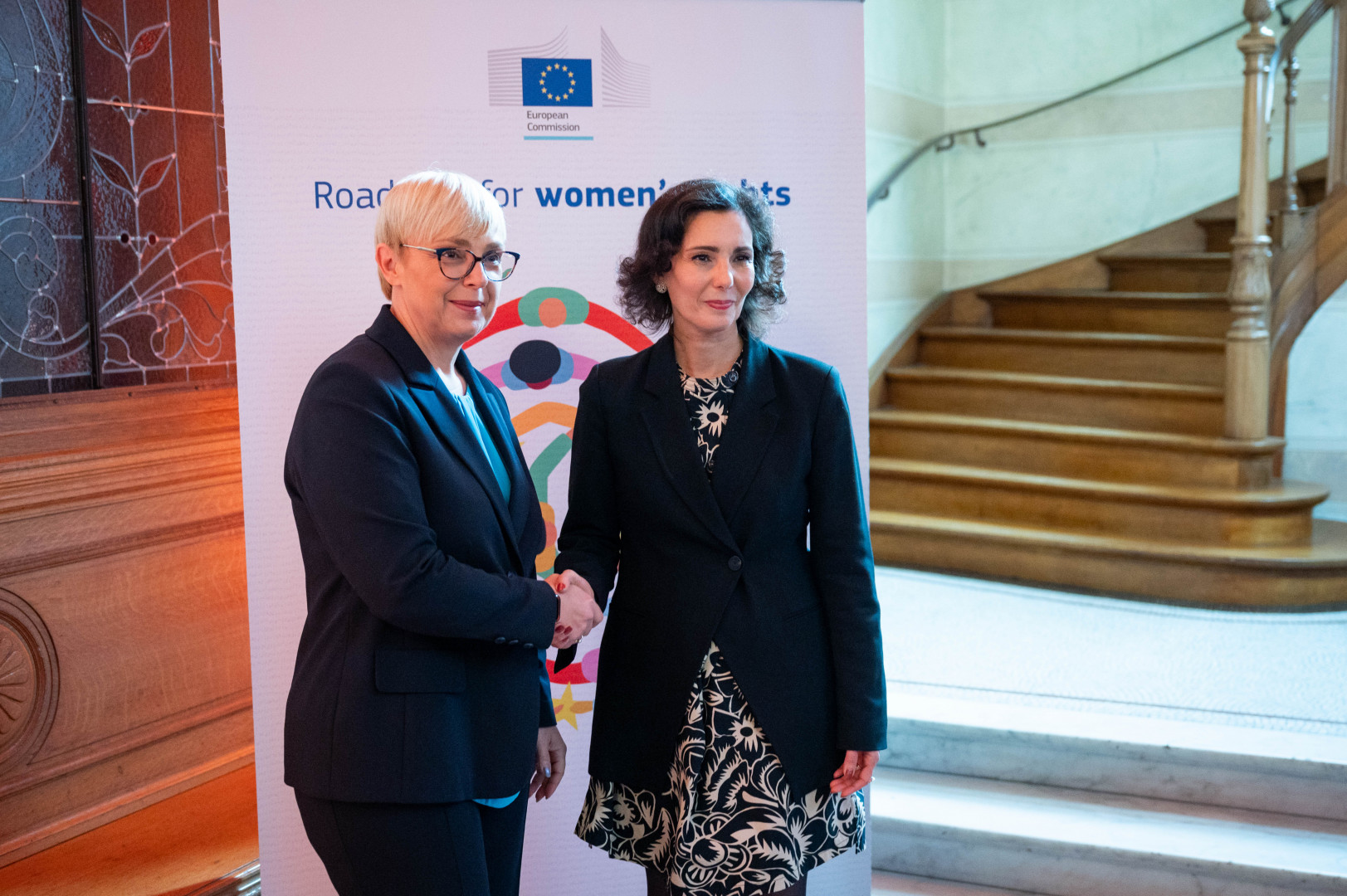
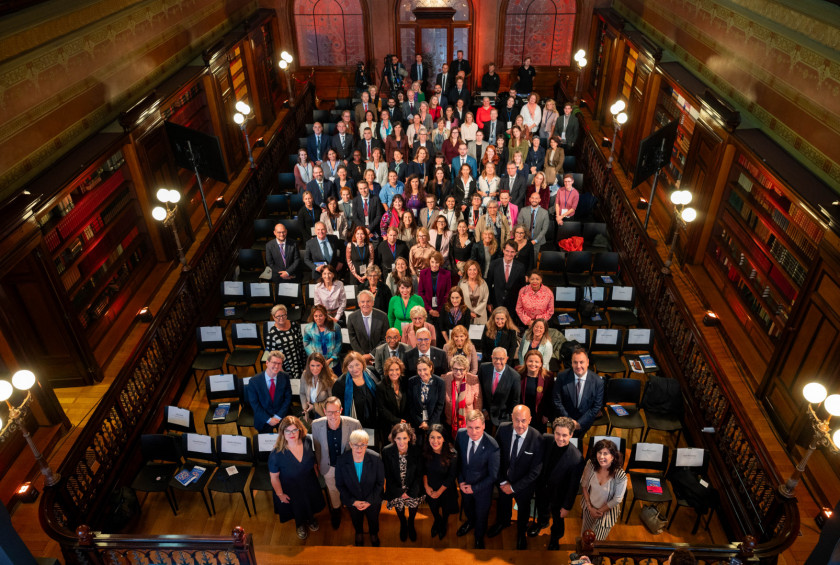
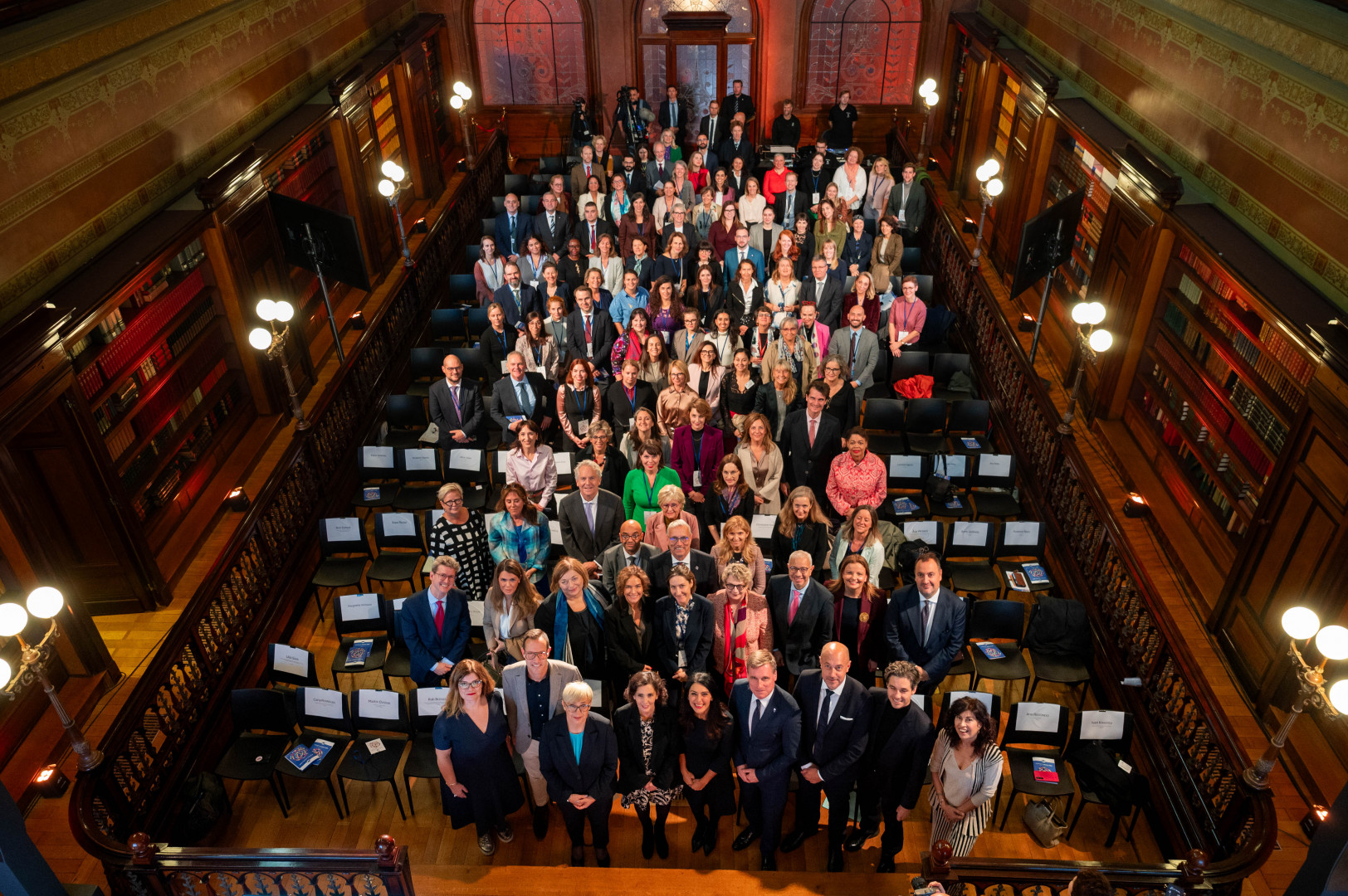
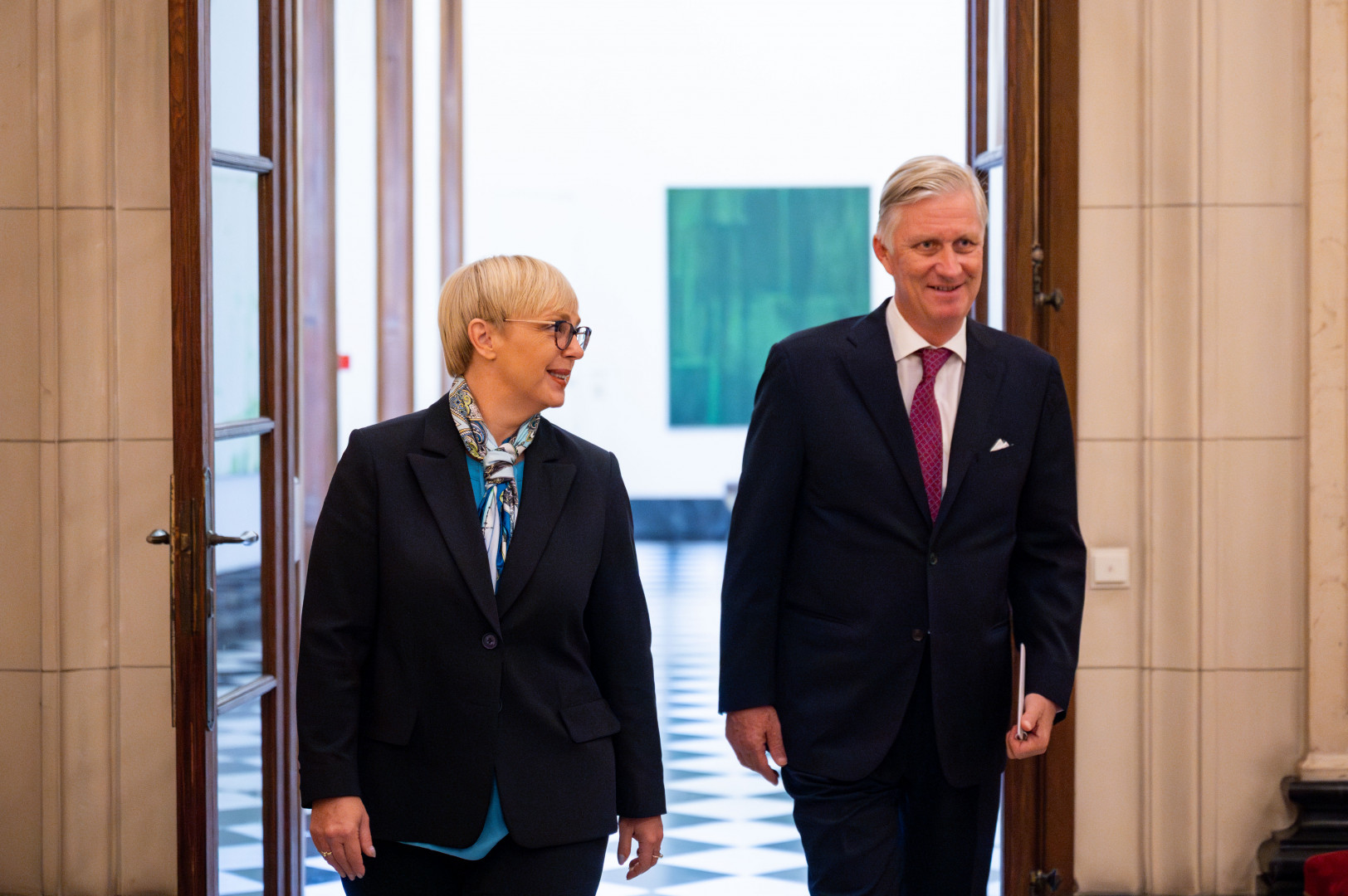
The President of the Republic of Slovenia, Nataša Pirc Musar, is on a working visit to the Kingdom of Belgium. At the invitation of the European Commissioner for Equality, Preparedness and Crisis Management, Hadja Lahbib, President Pirc Musar attended the ceremony marking political support for "The EU Roadmap for Women's Rights." During her visit, President Pirc Musar also met with His Majesty King Philippe of Belgium, marking the first meeting between the Slovenian Head of State and the highest representative of the Belgian royal family in ten years.
Publish date Bussels, Belguim,
In their discussions, President Pirc Musar and King Philippe reaffirmed their respective countries' shared commitment to strengthening a secure, united, and resilient Europe that is grounded in the rule of law, respect for human rights, and fundamental European values. Both Slovenia and Belgium remain firm advocates of effective multilateralism and an international system based on rules, respect for international law, and state sovereignty. The Slovenian President thanked Belgium specifically for its support following the imposition of US sanctions against Slovenian International Criminal Court judge, Dr Beti Hohler, praising Belgium's clear defence of judicial independence. The two leaders also confirmed their shared vision for an international order anchored in the rule of law, human dignity, and lasting peace.
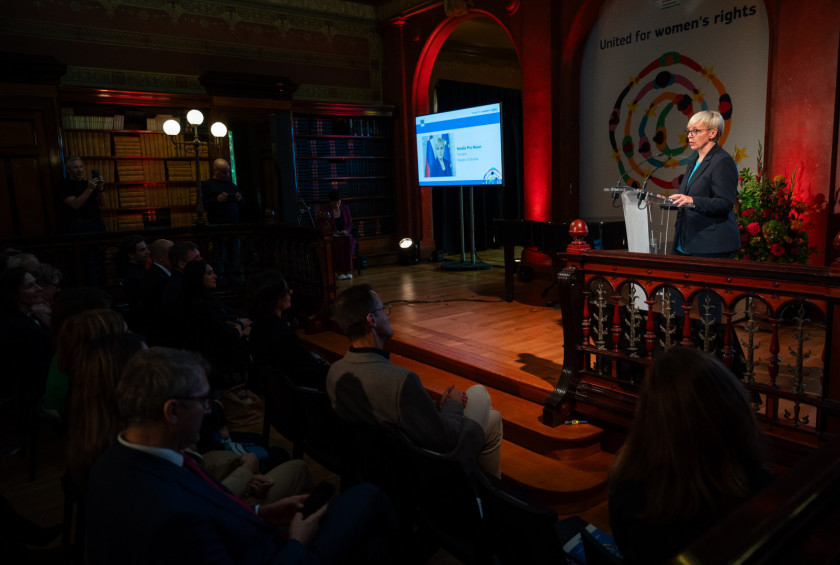
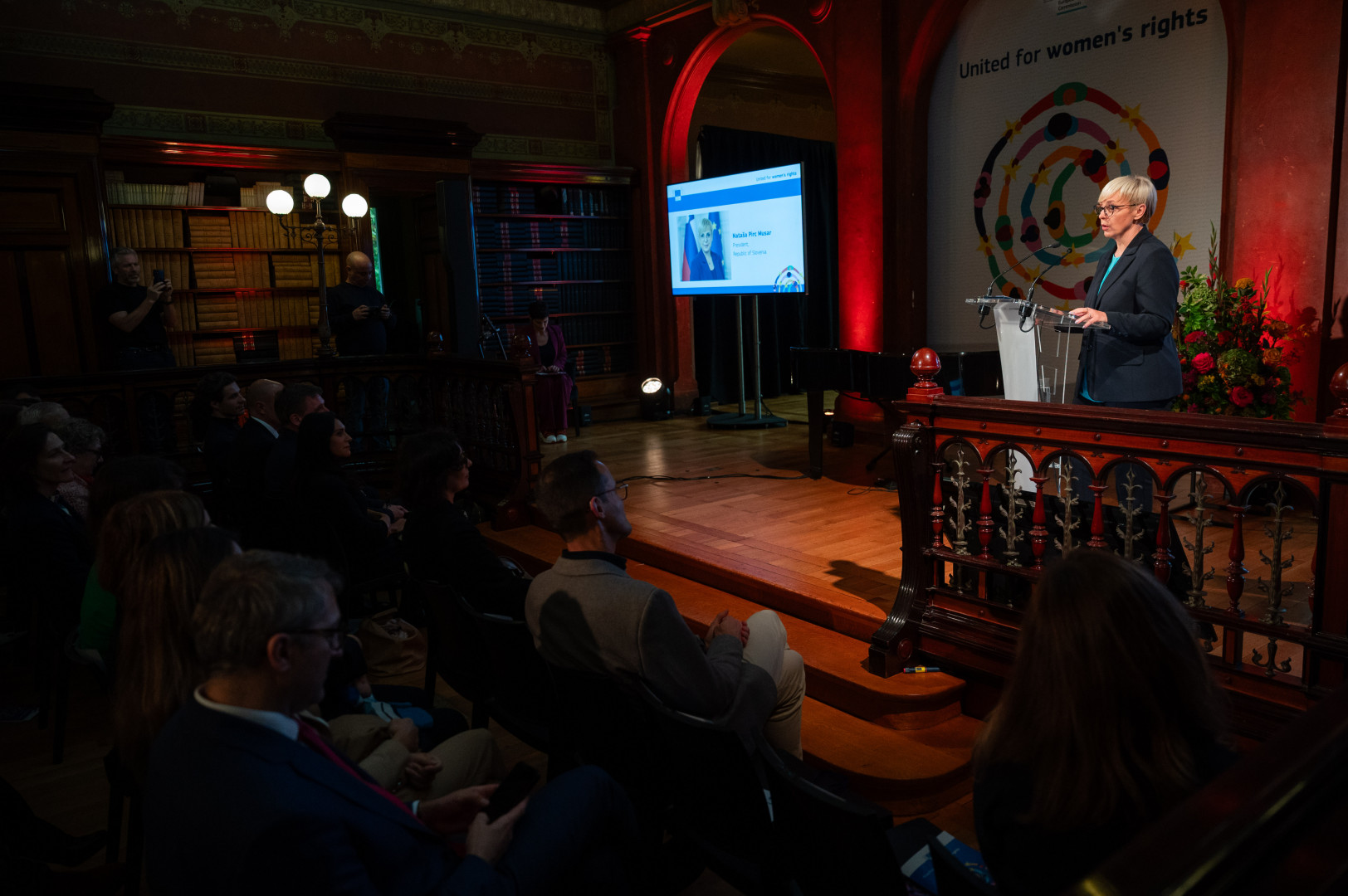
Later in the day, President Pirc Musar attended a ceremony to mark political support for the "EU Roadmap for Women's Rights". In her address, the President emphasised that "progress on women's rights has been uneven, and many of our hard-won gains are now at risk – in many parts of the world and even within our EU family": "One in three women has experienced physical and/or sexual violence in the past twelve months. These incidents remain largely underreported and when they are reported to the police, victims are still far too often subjected to secondary victimisation during court proceedings. Meanwhile, perpetrators frequently receive sentences that are far too lenient. Here, I cannot stress enough the importance of systemic awareness-raising. The EU's accession to the Istanbul Convention two years ago marked a historic step – a step that transcended our political divides and confirmed our shared commitment that in Europe, there is no, and must be no, tolerance for sexual and gender-based violence. Life free from violence is an absolute precondition for gender equality in any society."
In her speech, the President also addressed gender equality in leadership and decision-making: "Unfortunately, we remain far from achieving equal political participation, both domestically and internationally. I am sure you will agree with me that it is time for the first woman Secretary-General of the United Nations. In Slovenia, I am proud to say that women have broken the glass ceiling. For the first time, women hold the positions of the President of the Republic, President of the National Assembly and Minister of Foreign Affairs. According to the European Institute for Gender Equality, the EU's 2024 Gender Equality Index stands at 70.1 out of 100. With an increase of only 0.8 since last year, the EU is moving in the right direction – towards what we call the Unity of Equality – but progress remains too slow, particularly in the area of economic decision-making, which scores just 57.6 points. At this pace, it would take us another 60 years to reach full gender equality in the EU. Ladies and gentlemen, we do not have that time. We know that gender equality boosts economic growth. For the European Union this could mean economic growth somewhere in the span of two to three trillion euros by 2050. In today's highly competitive world, gender equality is not a luxury, but a necessity. A gender-equal society would mean higher employment, greater productivity and stronger resilience in the face of geopolitical, climate, environmental, economic and other crises." In conclusion, President Pirc Musar emphasised that "gender equality is an absolute precondition for a strong European Union".
Keynote address by Nataša Pirc Musar, President of the Republic of Slovenia, at The Roadmap for Women’s Rights: Endorsement Ceremony
- Keynote address by Nataša Pirc Musar, President of the Republic of Slovenia, at The Roadmap for Women’s Rights: Endorsement Ceremony File type: (PDF, 273 kB) Opens in new window
- Keynote address by Nataša Pirc Musar, President of the Republic of Slovenia, at The Roadmap for Women’s Rights: Endorsement Ceremony File type: (DOCX, 190 kB)