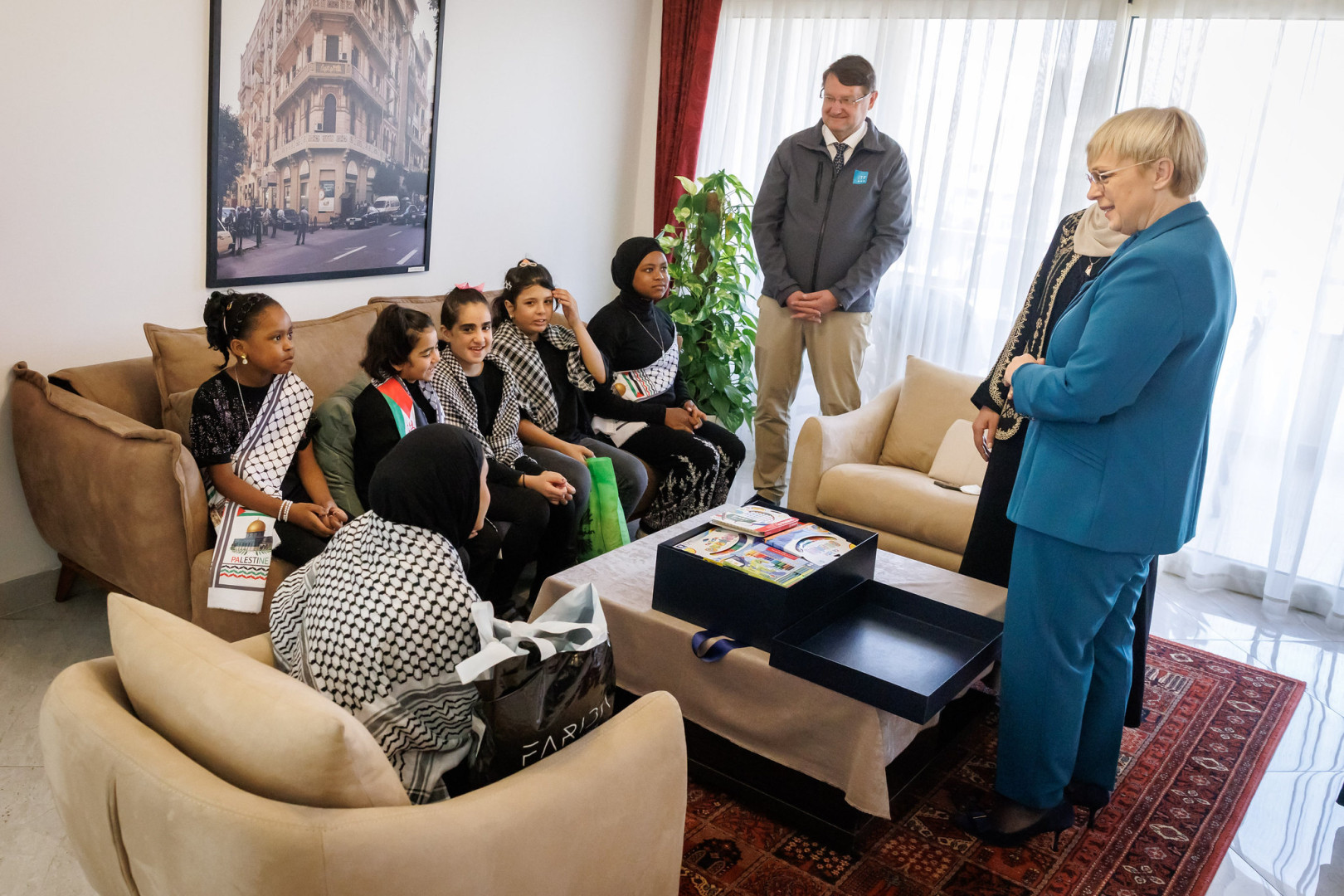
Photo: Nebojša Tejić / STA
Economic cooperation and solidarity with victims of the war in Gaza take centre stage on the second day of official visit to Egypt
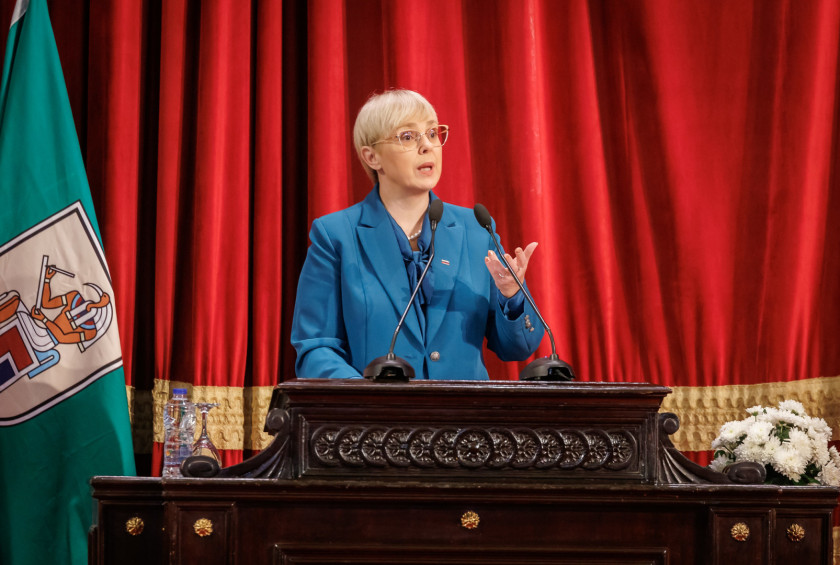
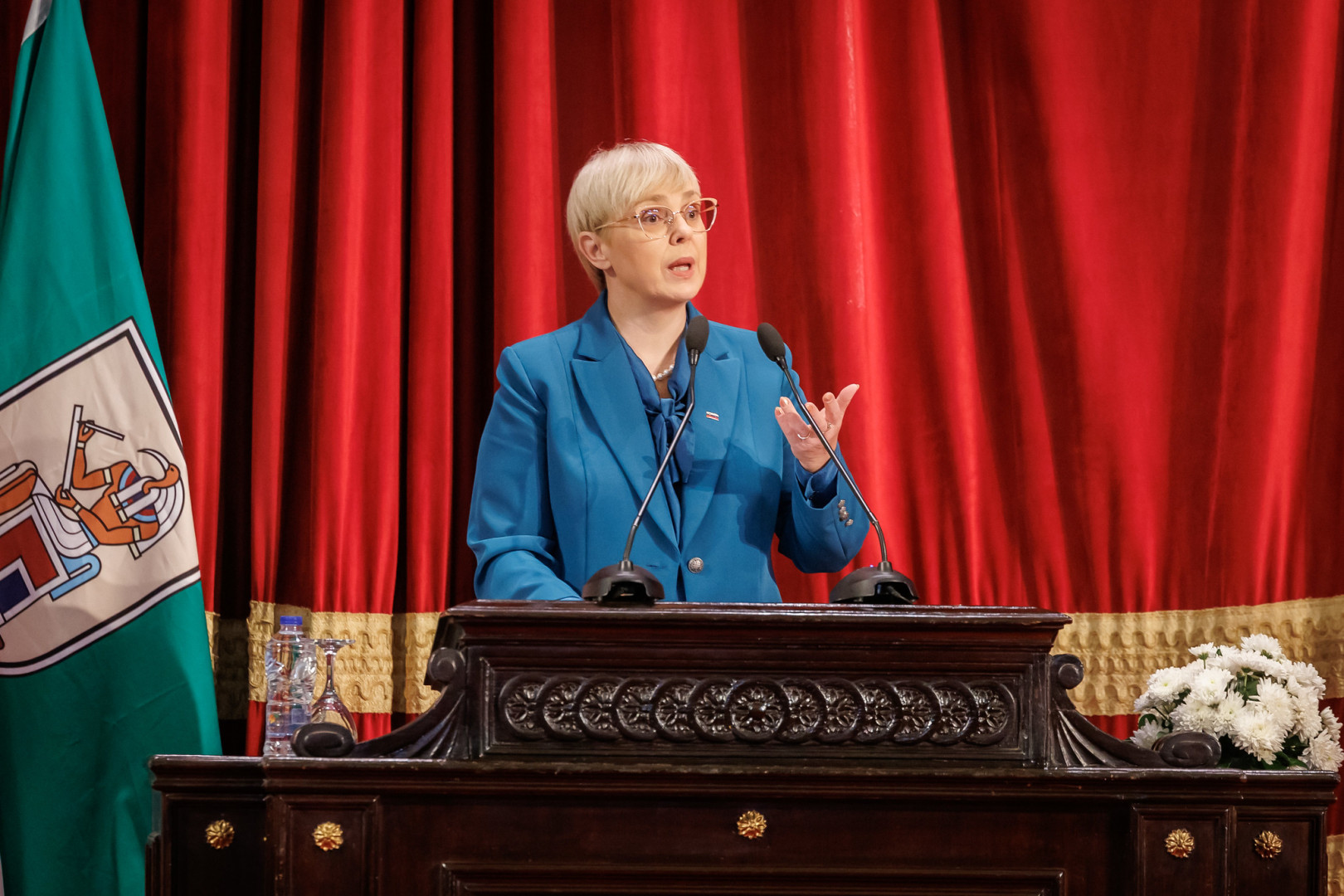
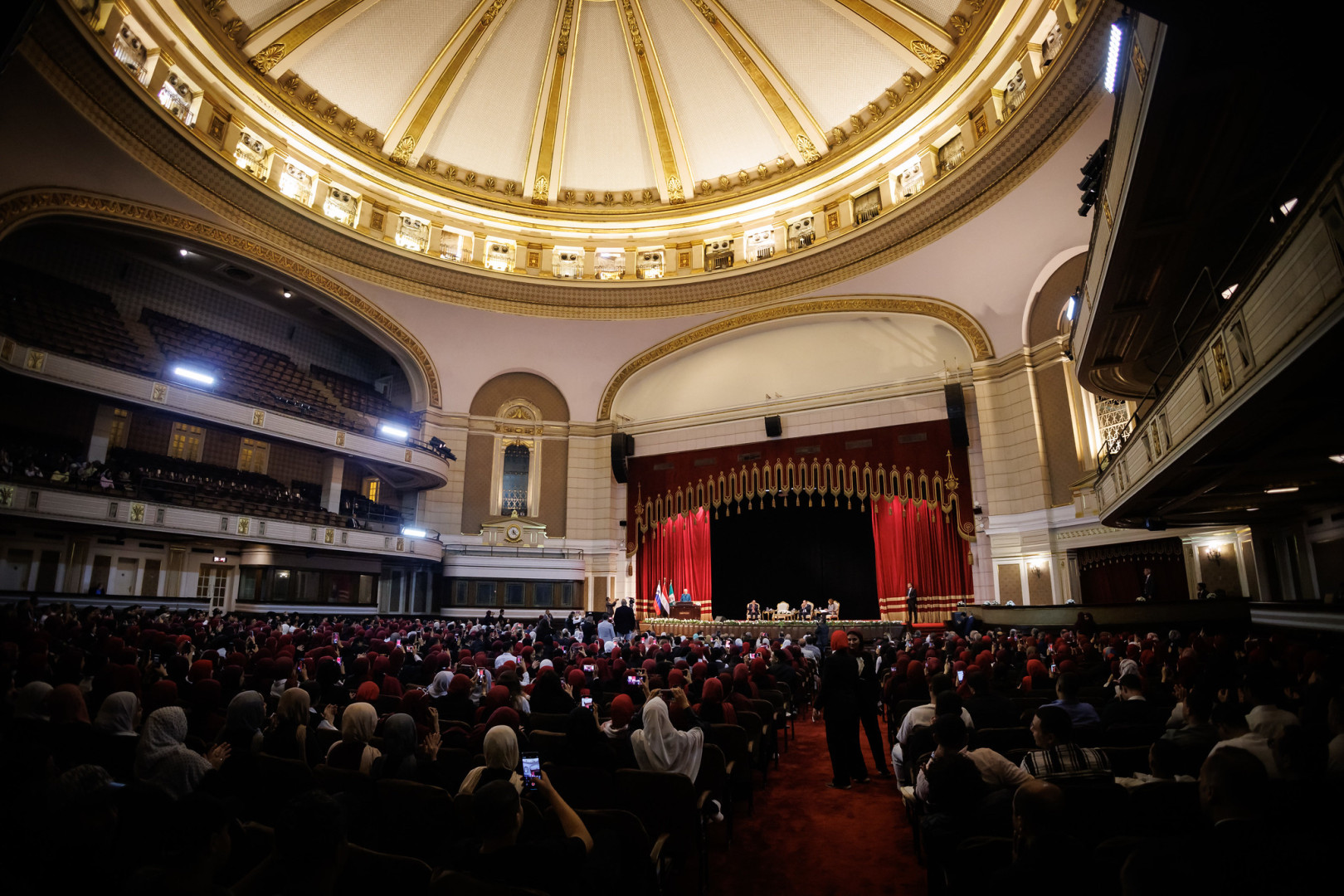
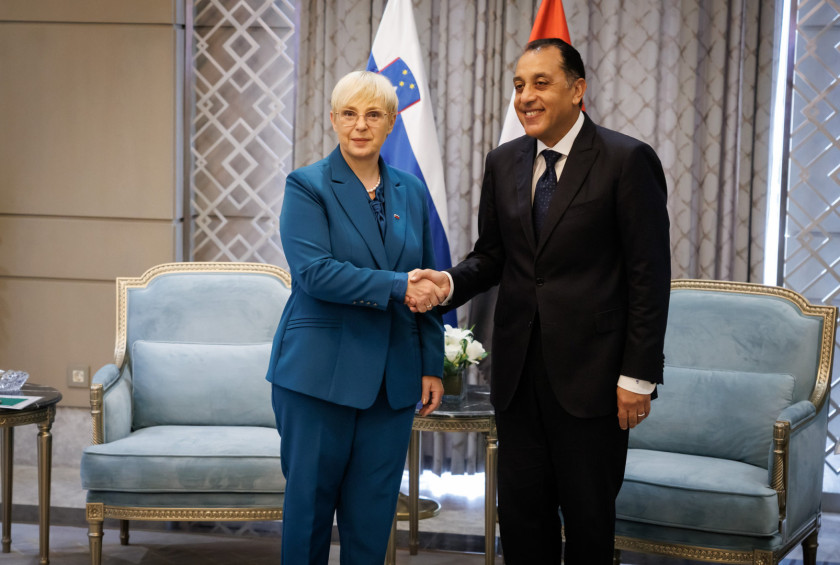
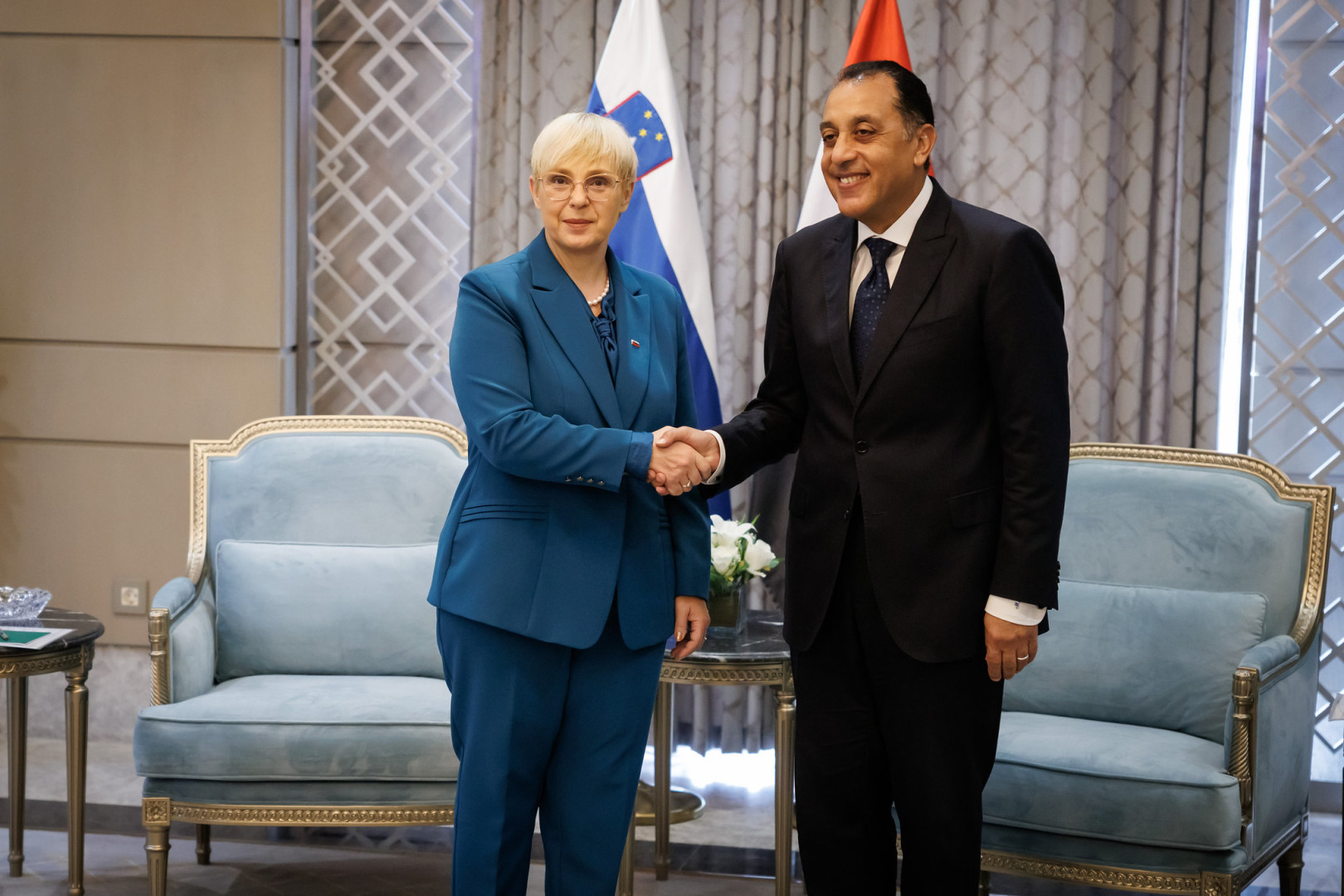
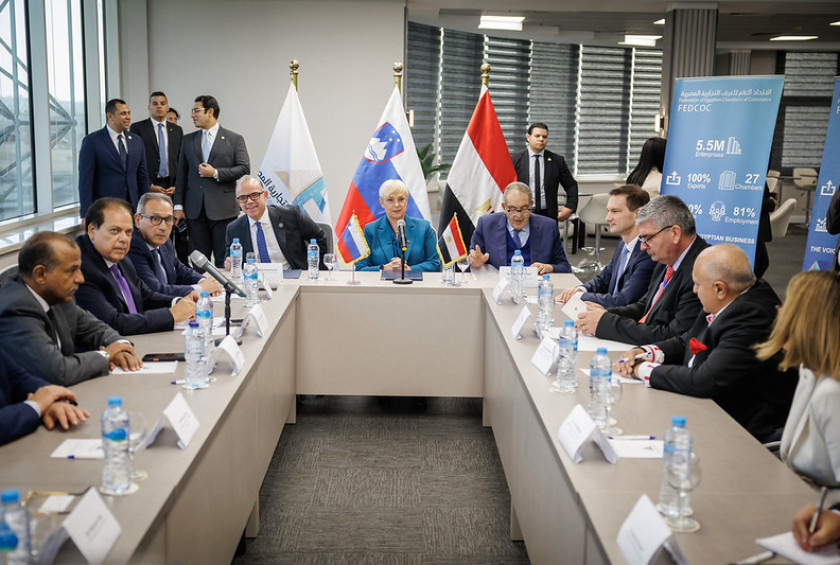
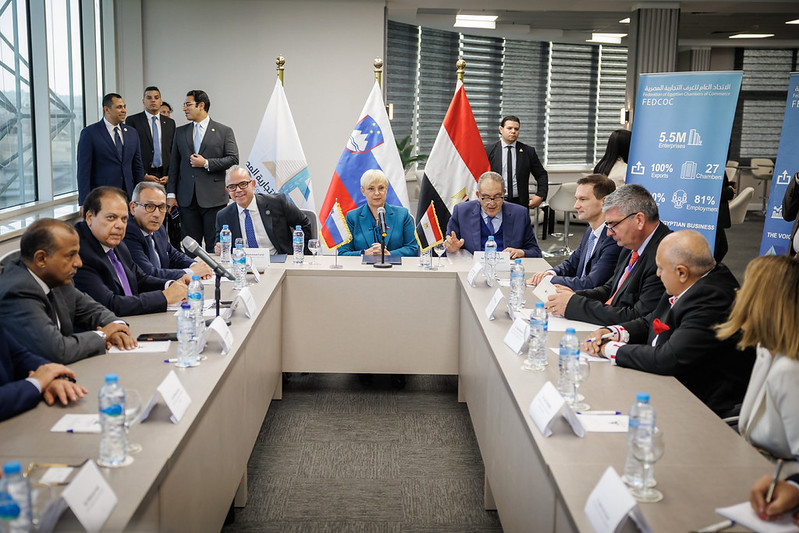
On the second day of her official visit to Egypt, President of the Republic of Slovenia Nataša Pirc Musar focused primarily on strengthening economic cooperation between the two countries and addressing the humanitarian impact of the war in Gaza. She attended a Slovenian-Egyptian business meeting, where companies from both countries explored opportunities for new partnerships, and met with Palestinian women and children who have found temporary refuge in Egypt as a result of the war in Gaza. She also delivered a lecture at Cairo University on the challenges facing the world today, the importance of international law and our responsibility towards future generations. The President also met with Egyptian Prime Minister Mostafa Madbouly.
Publish date Kairo, Arabska republika Egipt,
Economic cooperation was one of the key focuses of the two-day visit, as Egypt is Slovenia's most important economic partner in Africa. Bilateral trade amounted to EUR 310 million in 2025 and had already reached EUR 247 million in the first half of 2026, representing a 57% increase compared with the same period last year. The Port of Koper plays an important role in strengthening economic ties between the two countries, having maintained cooperation with Egypt for four decades. In 2025, throughput between the port and Egypt amounted to approximately 2.1 million tonnes of imports and 45,000 tonnes of exports. At the Slovenian-Egyptian business meeting, opportunities for cooperation in logistics, energy, digitalisation, water management, healthcare and advanced industrial technologies were high on the agenda.
The tangible results of economic ties are illustrated, among other things, by Egypt's investment in the Slovenian company Iskraemeco and by a technologically advanced air dome greenhouse set up in Egypt by the Slovenian company DUOL as part of a sustainable tomato production project. President Pirc Musar stressed that the aim of the visit was to create the conditions for new long-term partnerships and joint projects. "Our ambition should not be limited to selling more goods to one another. It should be to create added value together," she explained. She also invited Egyptian companies to see Slovenia not merely as a market of two million people, but as an innovative and reliable member of the European Union, offering excellent access to Central and Eastern European markets.
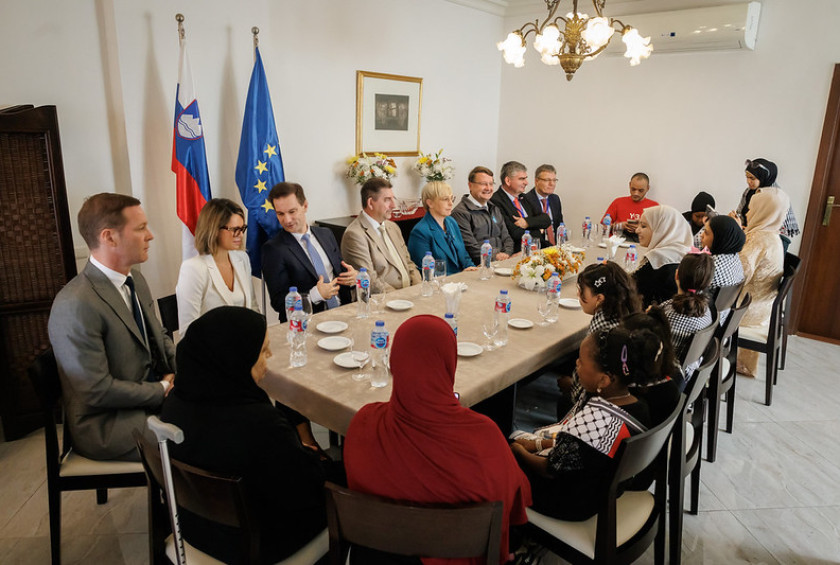
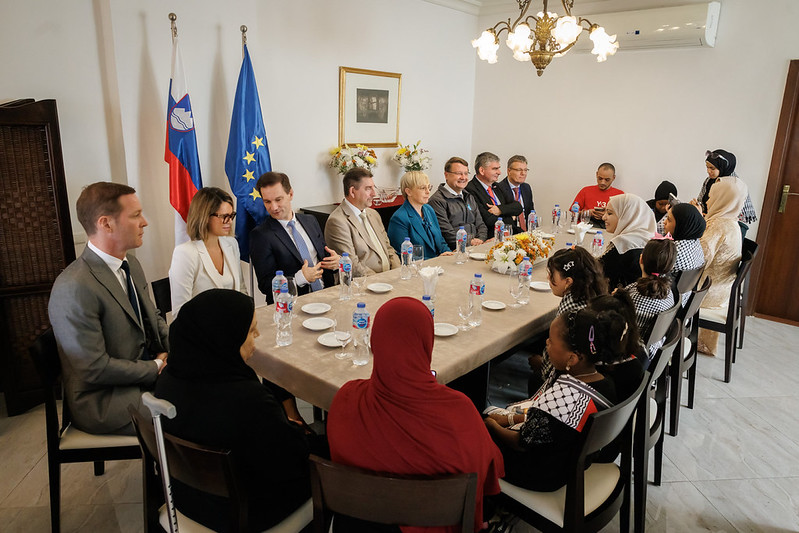
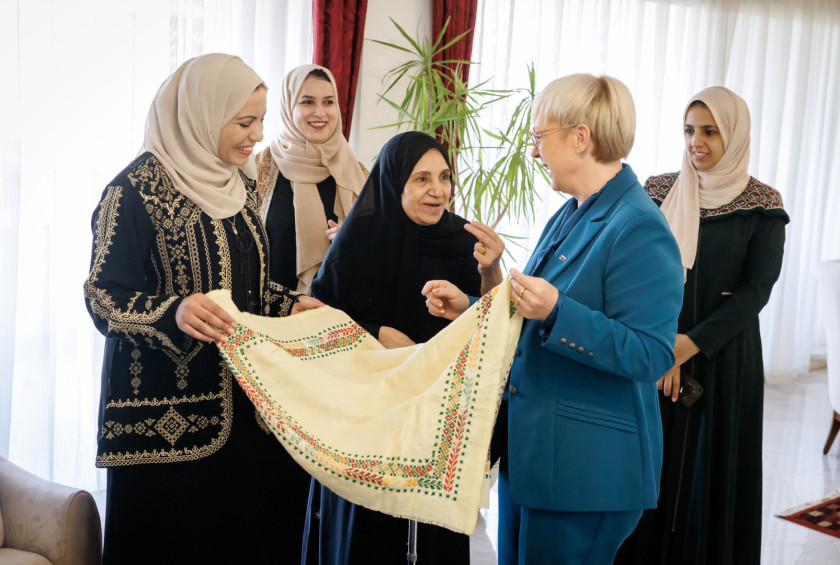
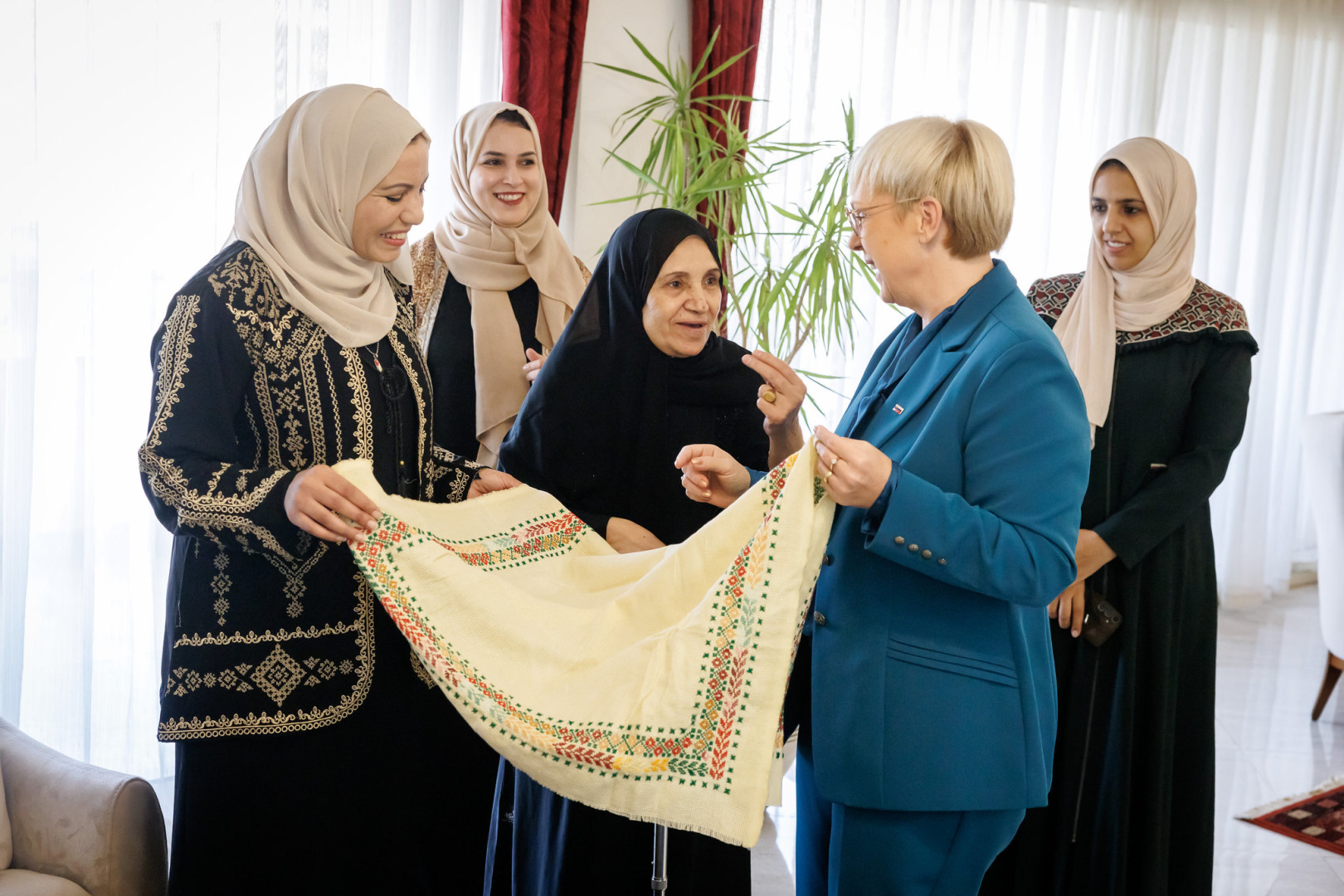
One of the most moving and significant moments of the visit, from a humanitarian perspective, was the Slovenian President’s meeting with Palestinian women and children who have found temporary refuge in Egypt after fleeing the war in Gaza. The meeting provided an opportunity to hear first-hand about the hardships faced by people who have lost their homes, security and the possibility of leading a normal life because of the war. President Pirc Musar once again stressed that behind the figures for casualties and displaced people are individual human stories, above all those of children whose childhoods and futures are being taken away by war. She underlined that protecting civilians, particularly women and children, must remain an unconditional responsibility of the international community and that humanitarian assistance must not be subject to political demands. In recent years, Slovenia, with Egypt’s assistance, has helped provide medical treatment and rehabilitation for Palestinian victims of war. In 2024 and 2025, 17 people from Egypt and Gaza, together with 14 accompanying individuals, were brought to Slovenia for medical treatment or rehabilitation.
As part of her visit, the President of the Republic addressed students at Cairo University, delivering a lecture entitled Fears and apprehensions then and now. She called for more decisive cooperation among countries in defending international law, human rights and peace. She also devoted particular attention to the challenges posed by artificial intelligence, which must remain at the service of humanity and must never become a tool of violence or war. "Behind every algorithm and every automated decision there is a human being who wrote the code," she cautioned, stressing that human responsibility and ethics must remain at the heart of technological development. She encouraged students to help shape the future of their countries through their knowledge, creativity and courage. "We must empower you, the young, because in doing so, we also strengthen ourselves," the President concluded.