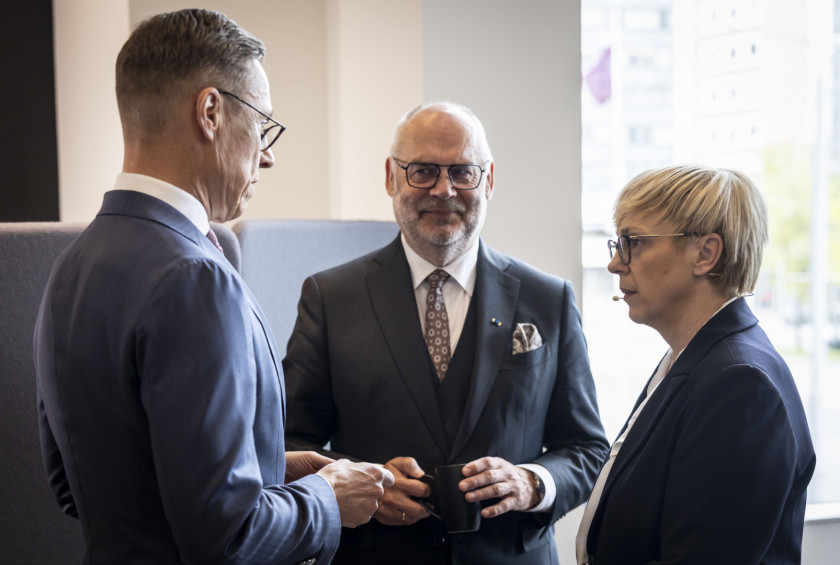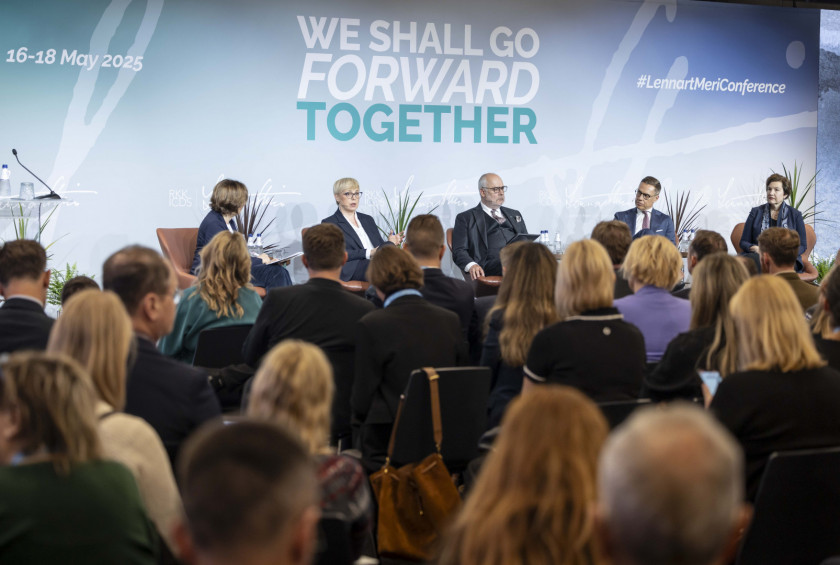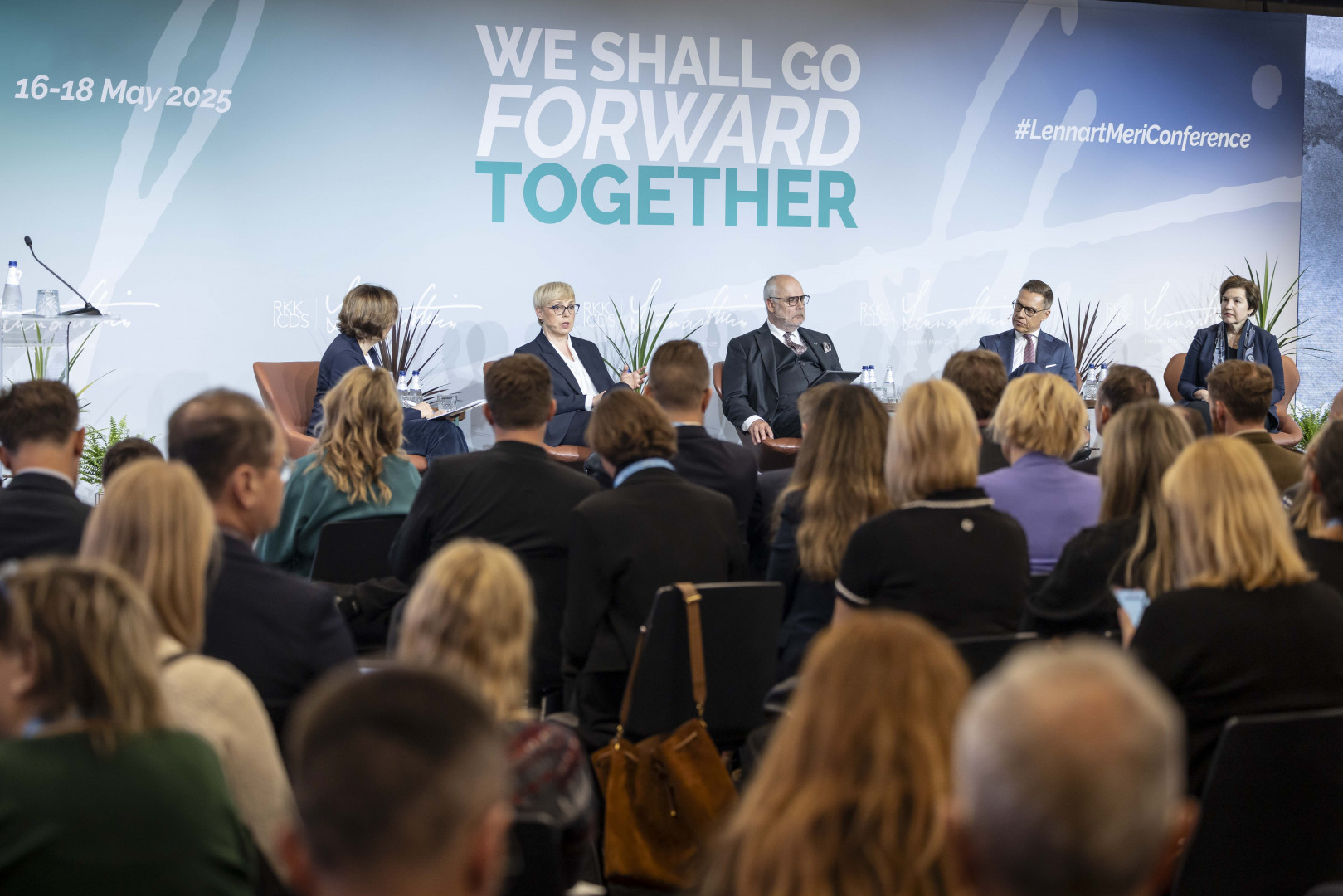
Photo: Matjaž Klemenc/Office of the President of the Republic
President of the Republic of Slovenia at the Lennart Meri Conference in Tallinn
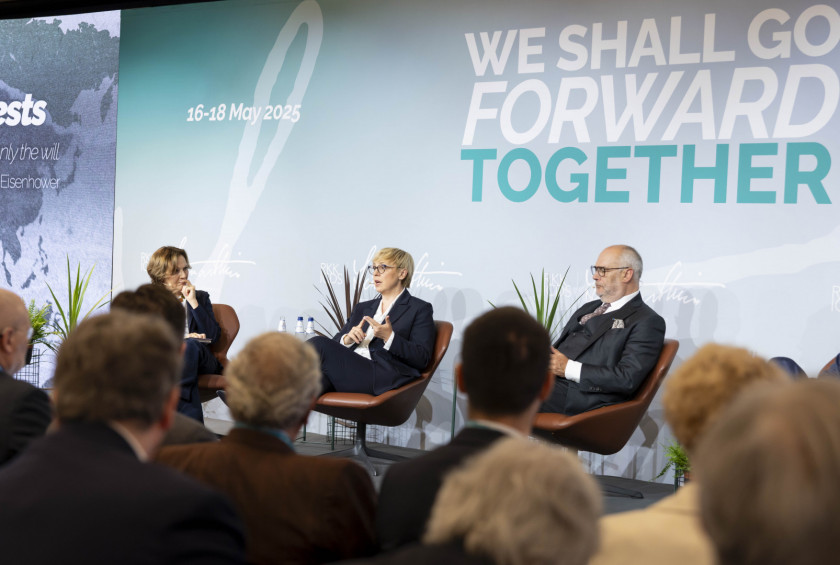
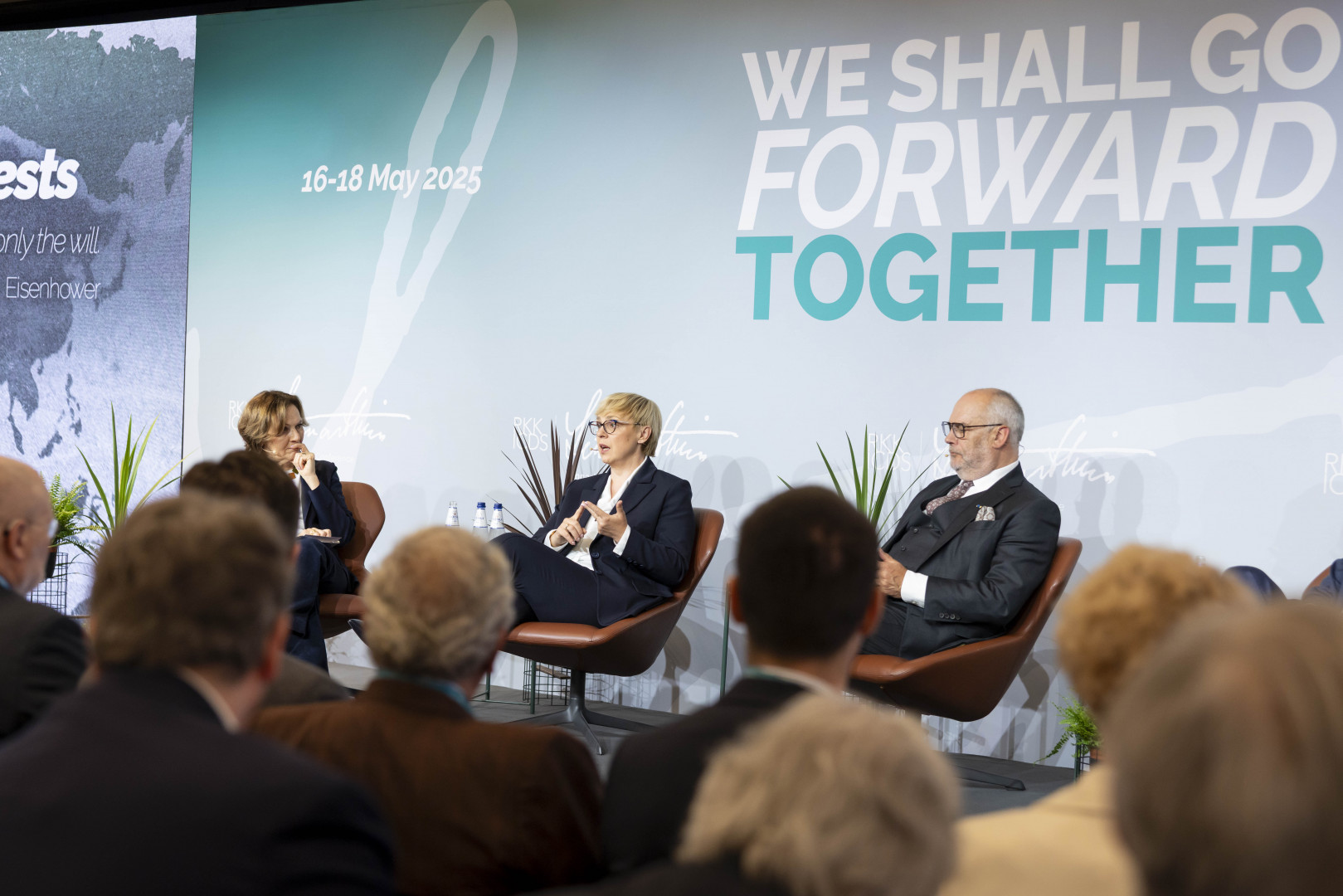
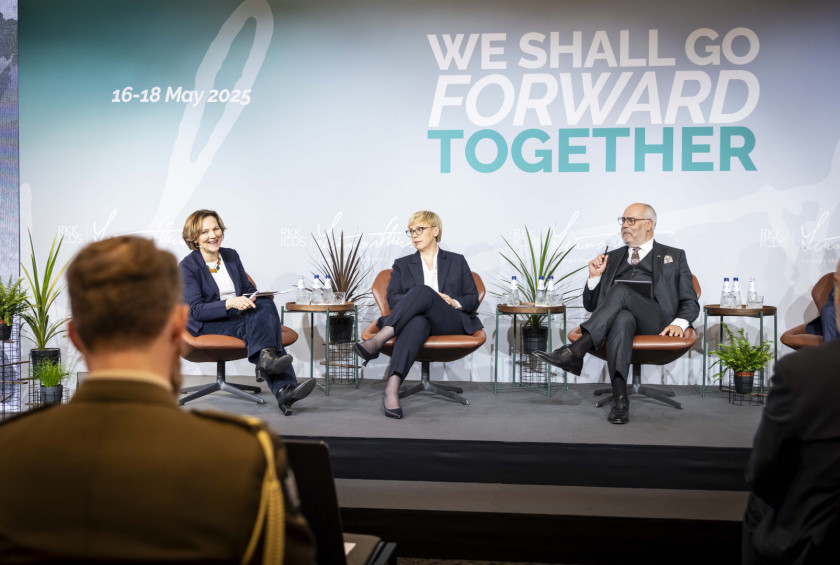
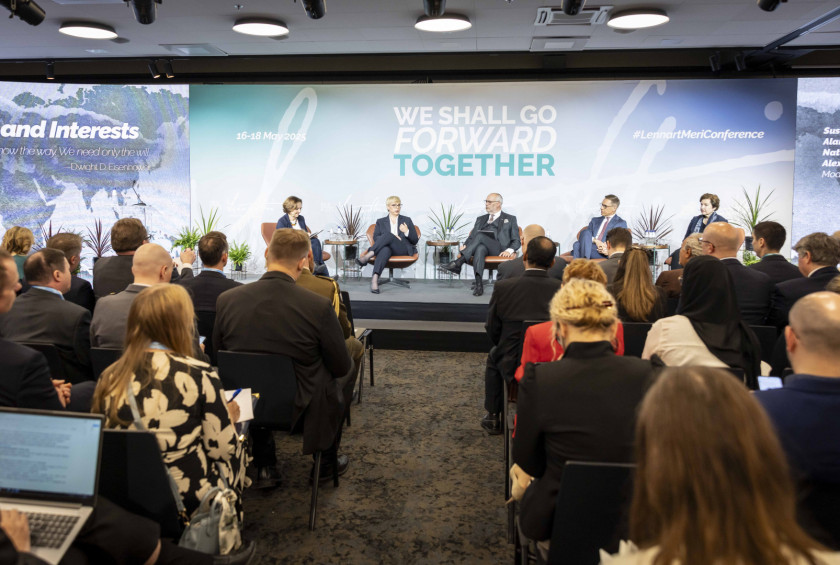
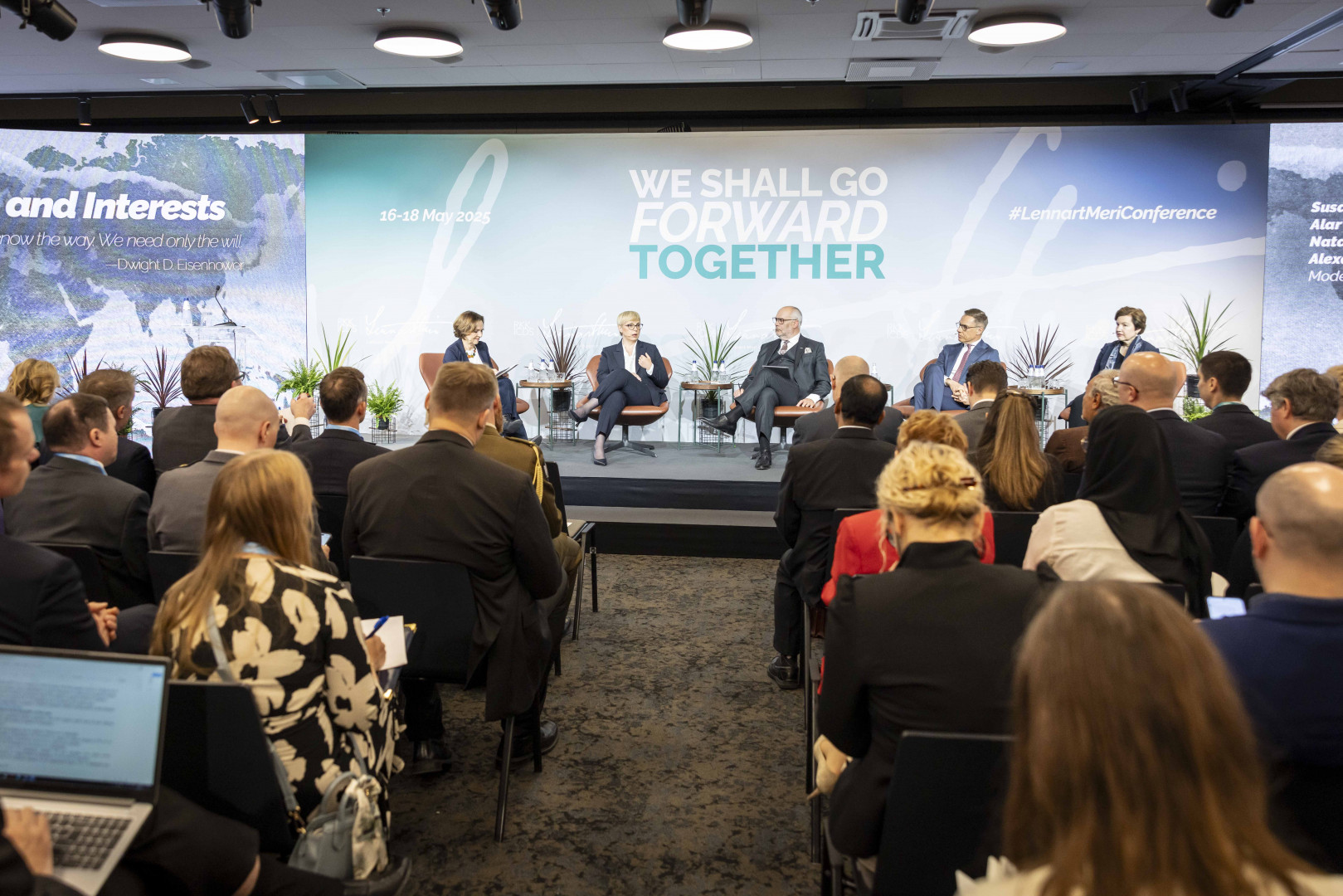
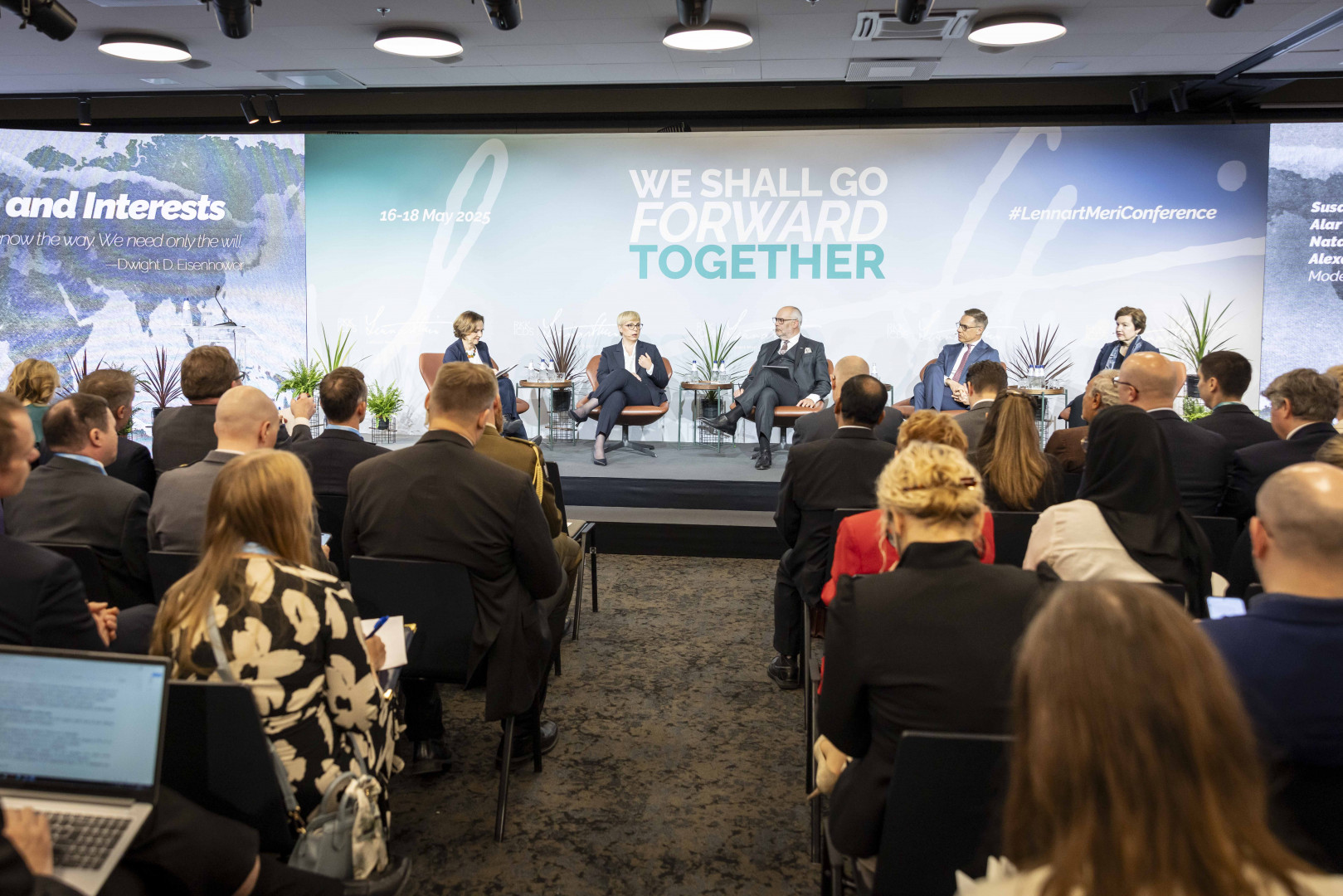
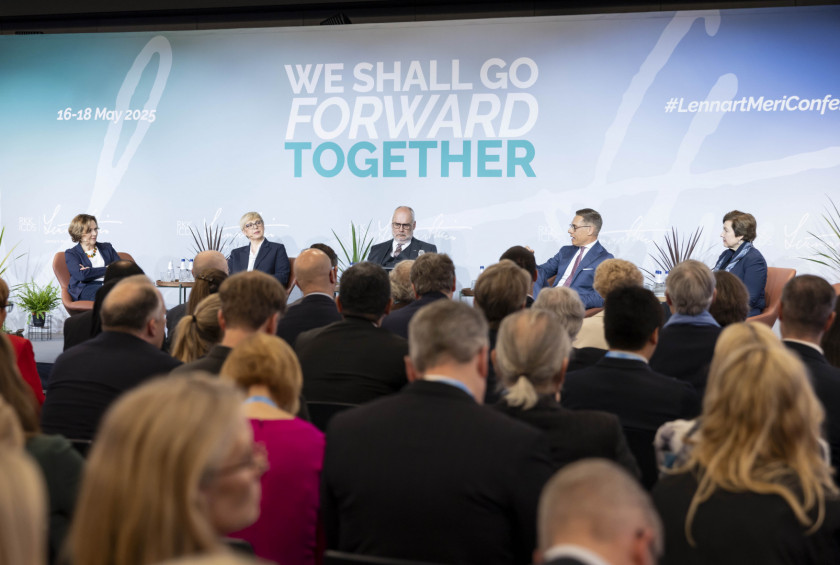
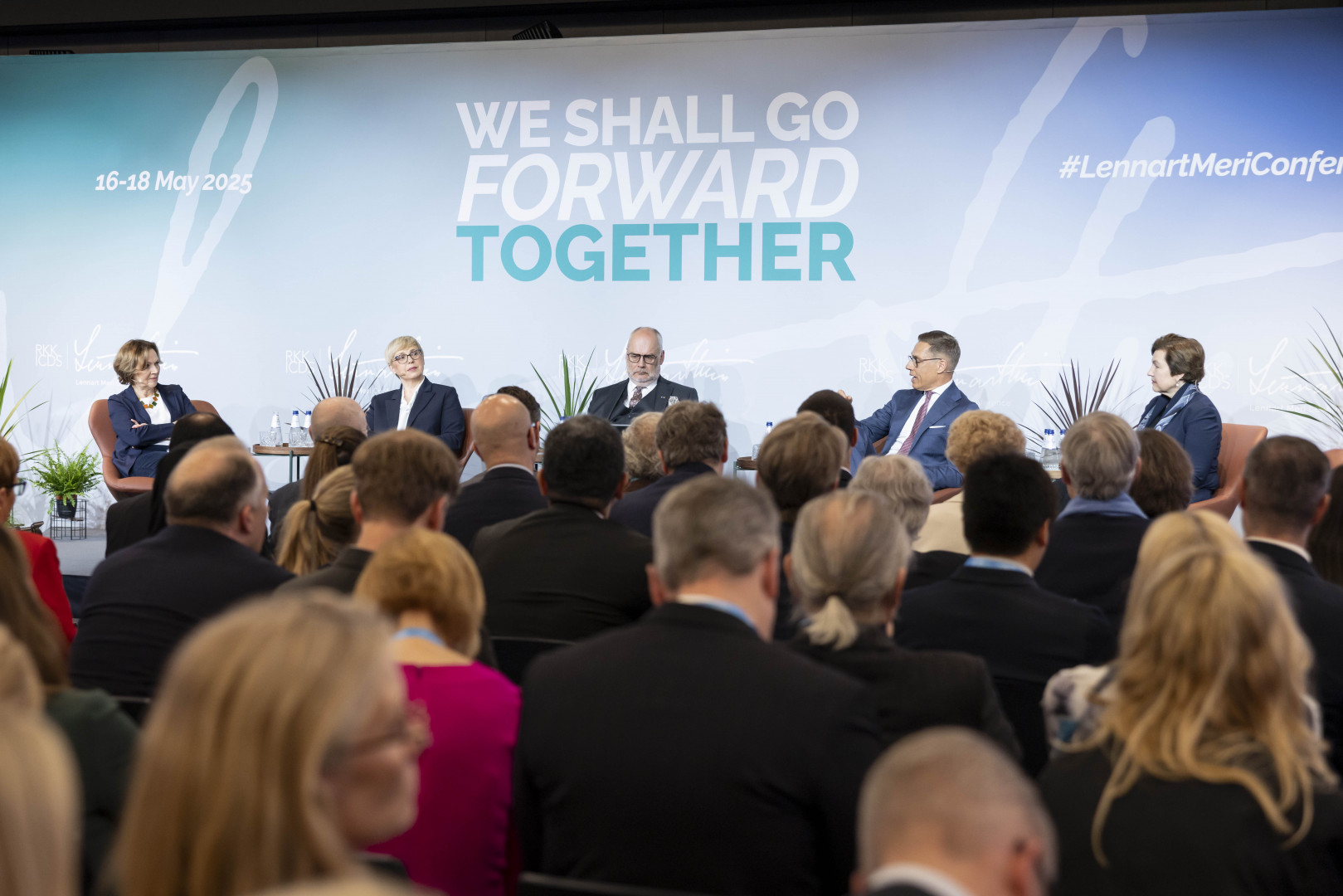
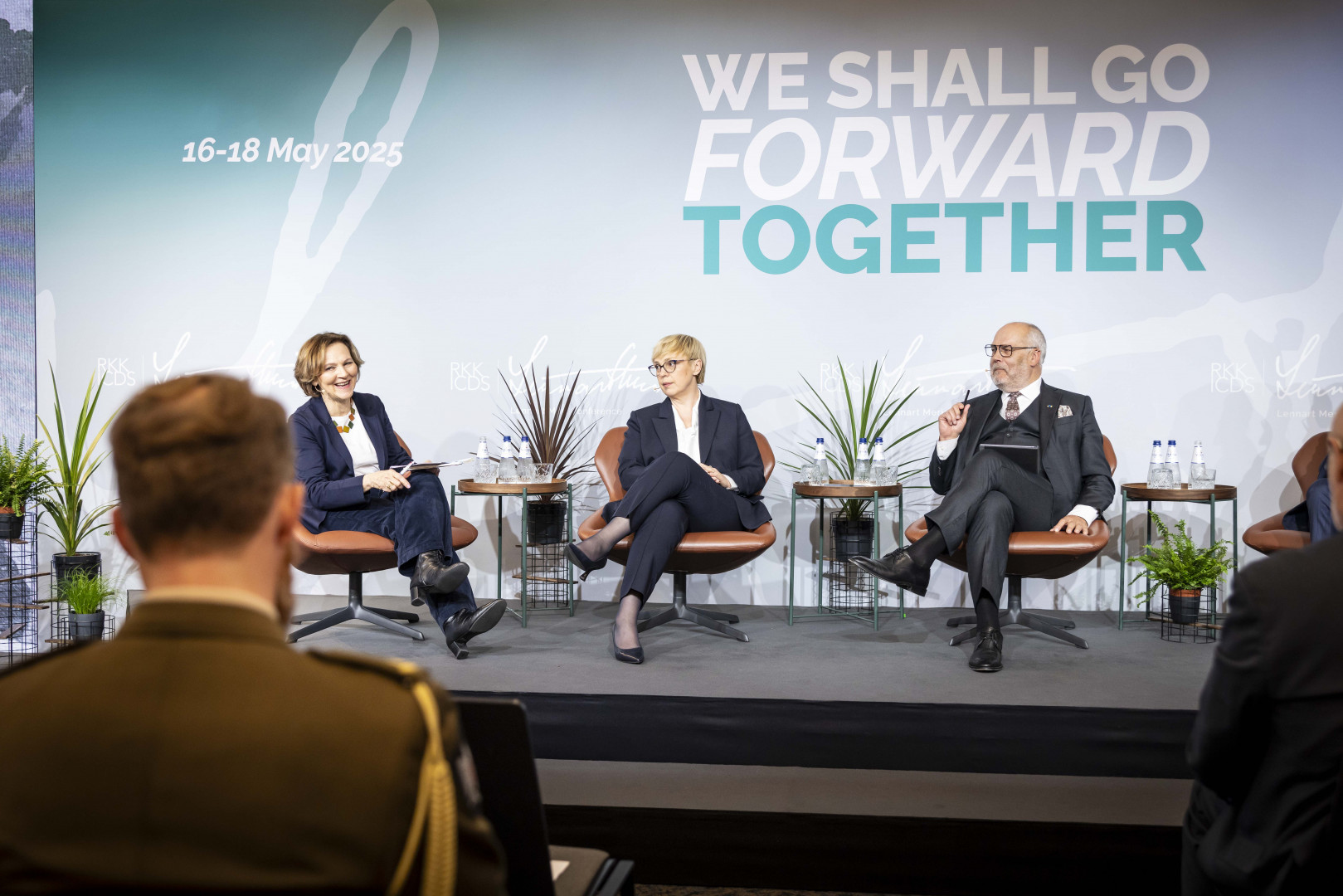
The President of the Republic of Slovenia, Nataša Pirc Musar, participated in the closing panel of the Lennart Meri Conference in the Estonian capital, titled "Allies, Enemies and Interests", where she discussed geopolitical and security conditions in the world alongside Alar Karis, President of the Republic of Estonia, Alexander Stubb, President of the Republic of Finland, and Susan Glasser, columnist for The New Yorker magazine.
Publish date Tallinn, Estonia,
The Lennart Meri Conference has been held in the Estonian capital since 2007 and is organised by the International Centre for Defence and Security. This year’s debate focused on the importance of cooperation with allies to achieve foreign policy goals. During two days of numerous panel discussions, panellists paid particular attention to preserving values, partnerships, and alliances, while trying to find answers to questions about how NATO and the EU should respond to increasing unpredictability in the world, the war in Ukraine, and how the EU should take on greater responsibility for its own security, resilience, and defence.
President Pirc Musar took part in the closing panel, where she clearly emphasised that in Europe, in the post-war period – especially over the last three decades – we have been able to experience what peace, security, solidarity, and care for one another and for human dignity mean. However, she now feels that these last thirty years seem as if they never existed: “For example, the current UN Secretary-General is regrettably not widely popular; he is even subject to heavy criticism. Why? Because he condemns acts of genocide by countries around the world, advocates for women's rights and rights of the poor, and defends international law, humanitarian law and human rights law. Have we really come this far? Have we really reached a point where someone is labelled "problematic" simply for standing up for humanitarian principles? This troubles me deeply. Twice in history, humanity has lost its compassion. This must never happen again.”
The panellists paid significant attention to the security situation in Europe, especially the end of the war in Ukraine. The Slovenian President clearly emphasised that Ukraine is a victim of aggression defending its sovereignty and that it is essential that the EU stands by Ukraine, supports it and defends its interests at the negotiating table on equal footing with other international actors. She also stated that she supports efforts to strengthen the European pillar of NATO and that Europe, including Slovenia, must invest more in its security and defence capabilities. However, none of this will be sufficient if we do not achieve political unity within Europe. Until Europe embraces the principle of "all for one and one for all", we cannot expect other subjects to take us seriously.
The interlocutors parted with a clear message that dialogue, cooperation, and unity among European countries need to be strengthened, which will also enhance our resilience against challenges. Respect for values and the rule of law must once again become key factors for long-term prosperity.