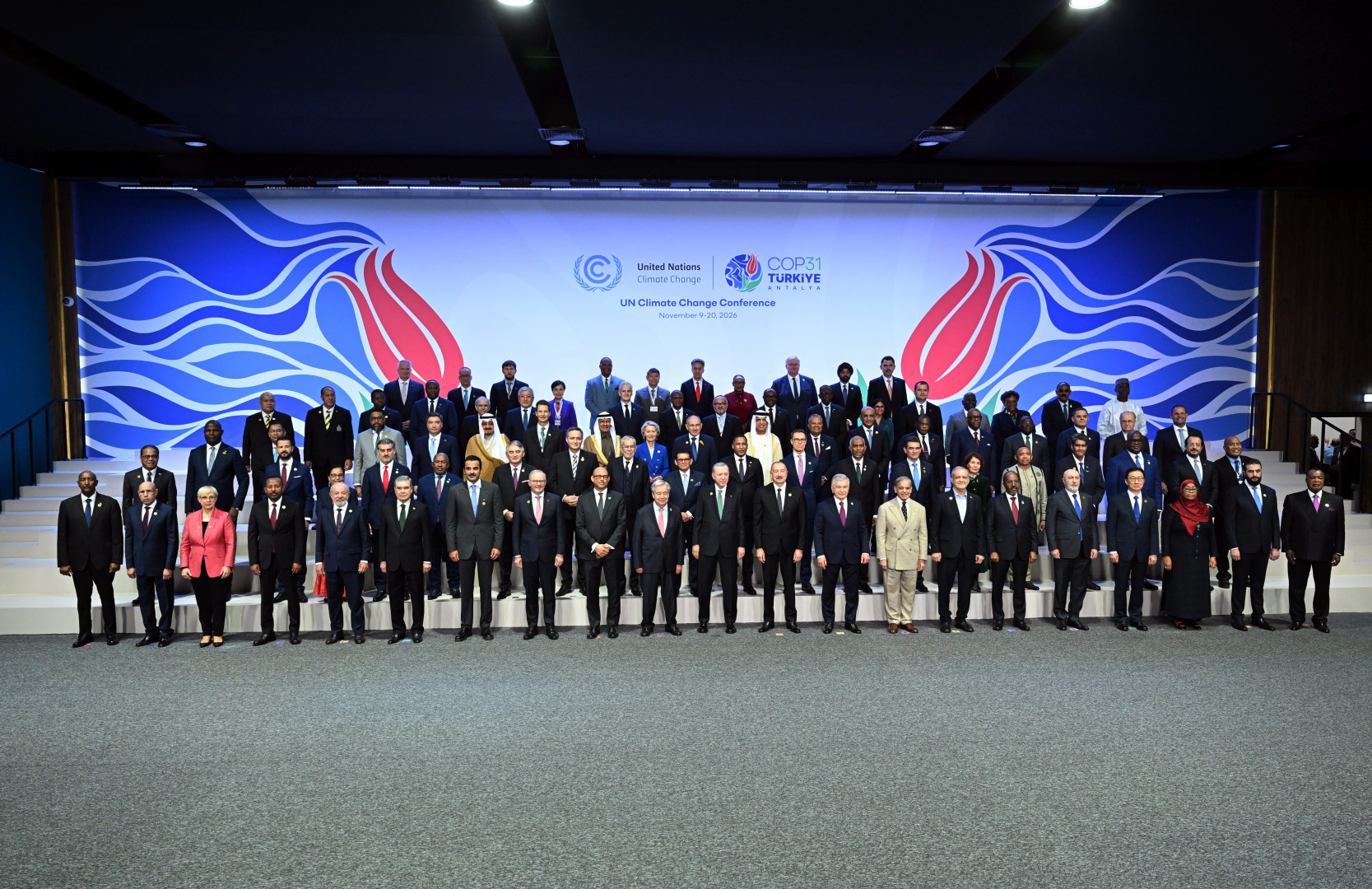
Photo: Matjaž Klemenc/Office of the President of the Republic of Slovenia
Climate science must guide political action
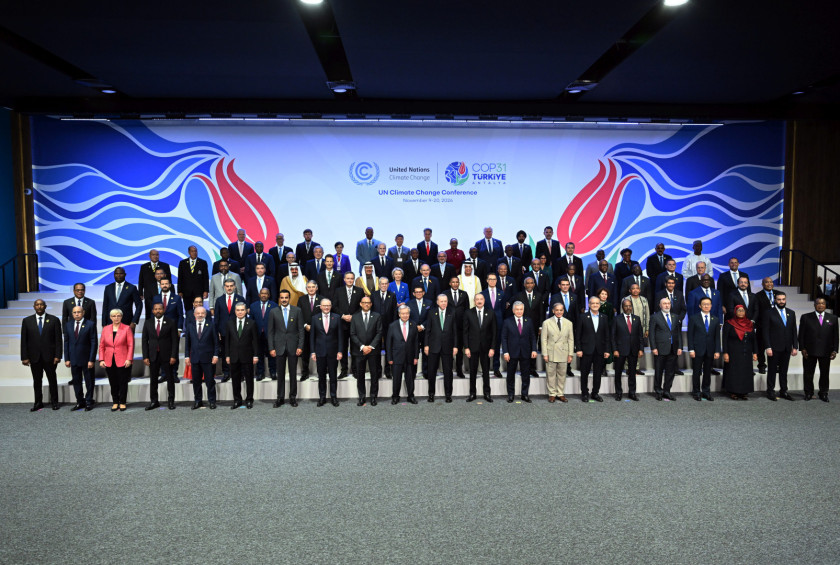
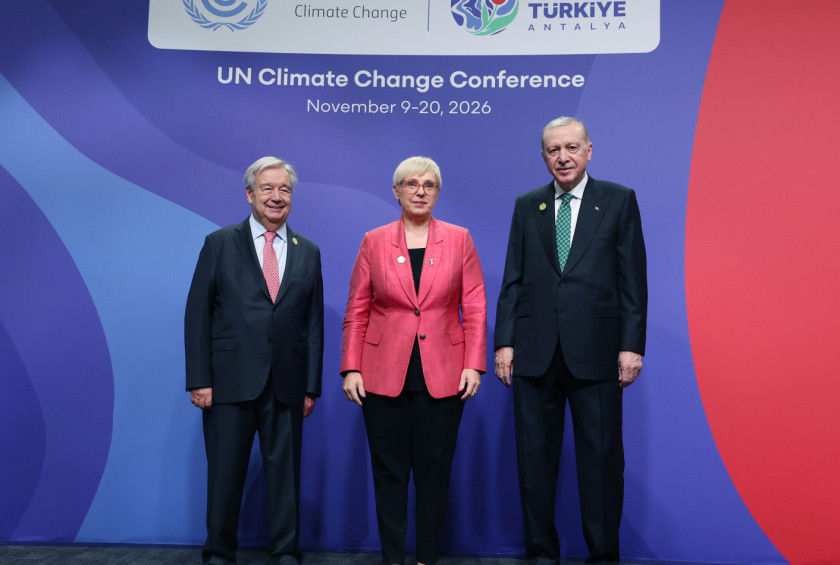
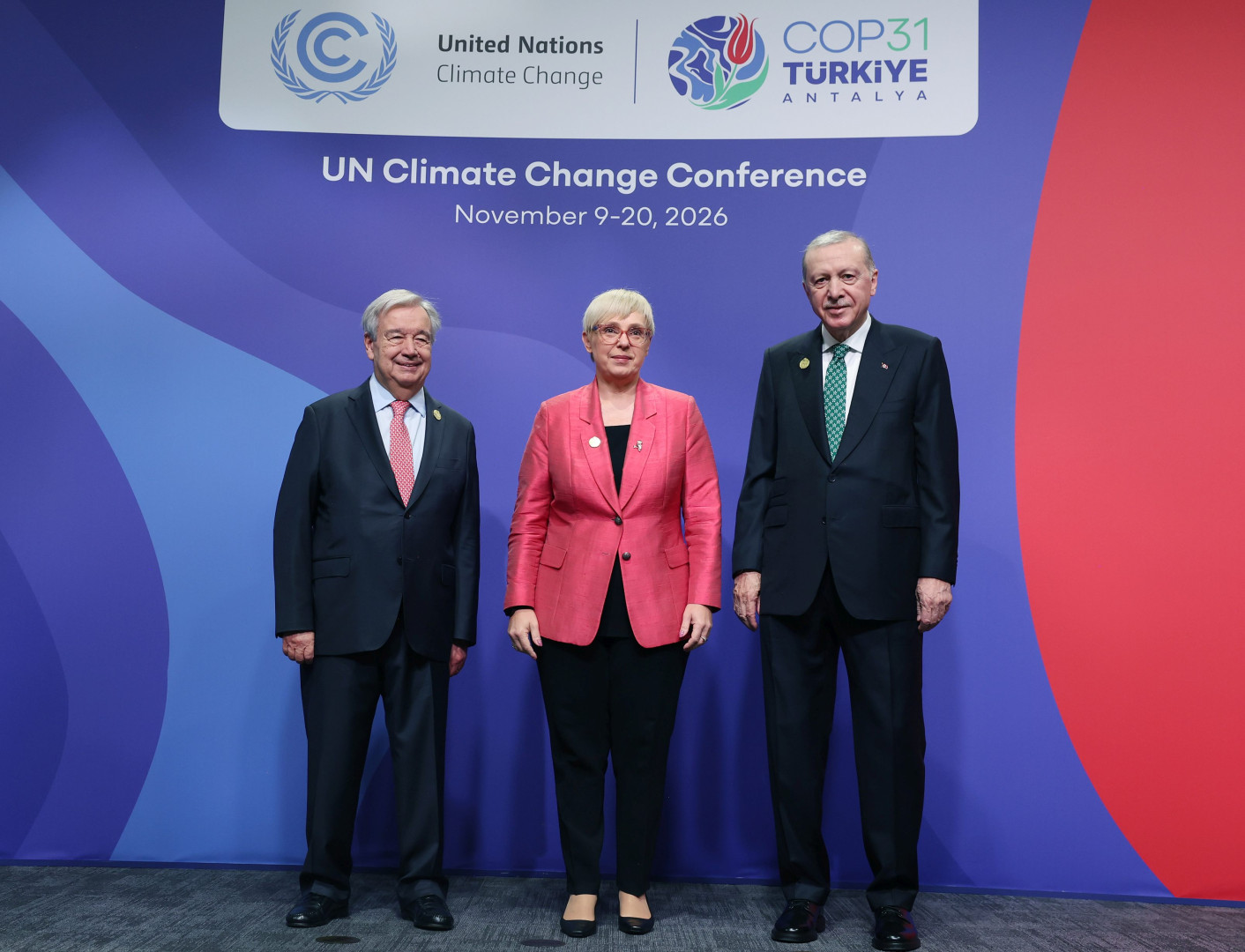
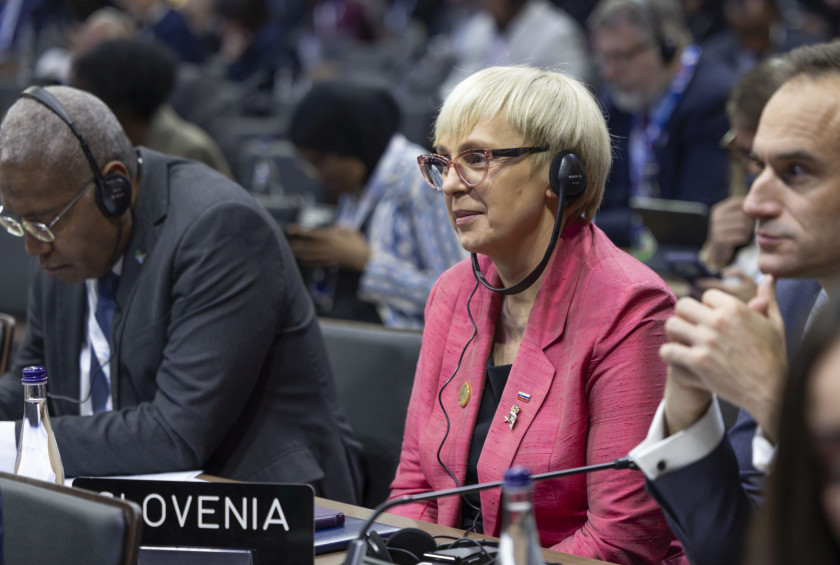
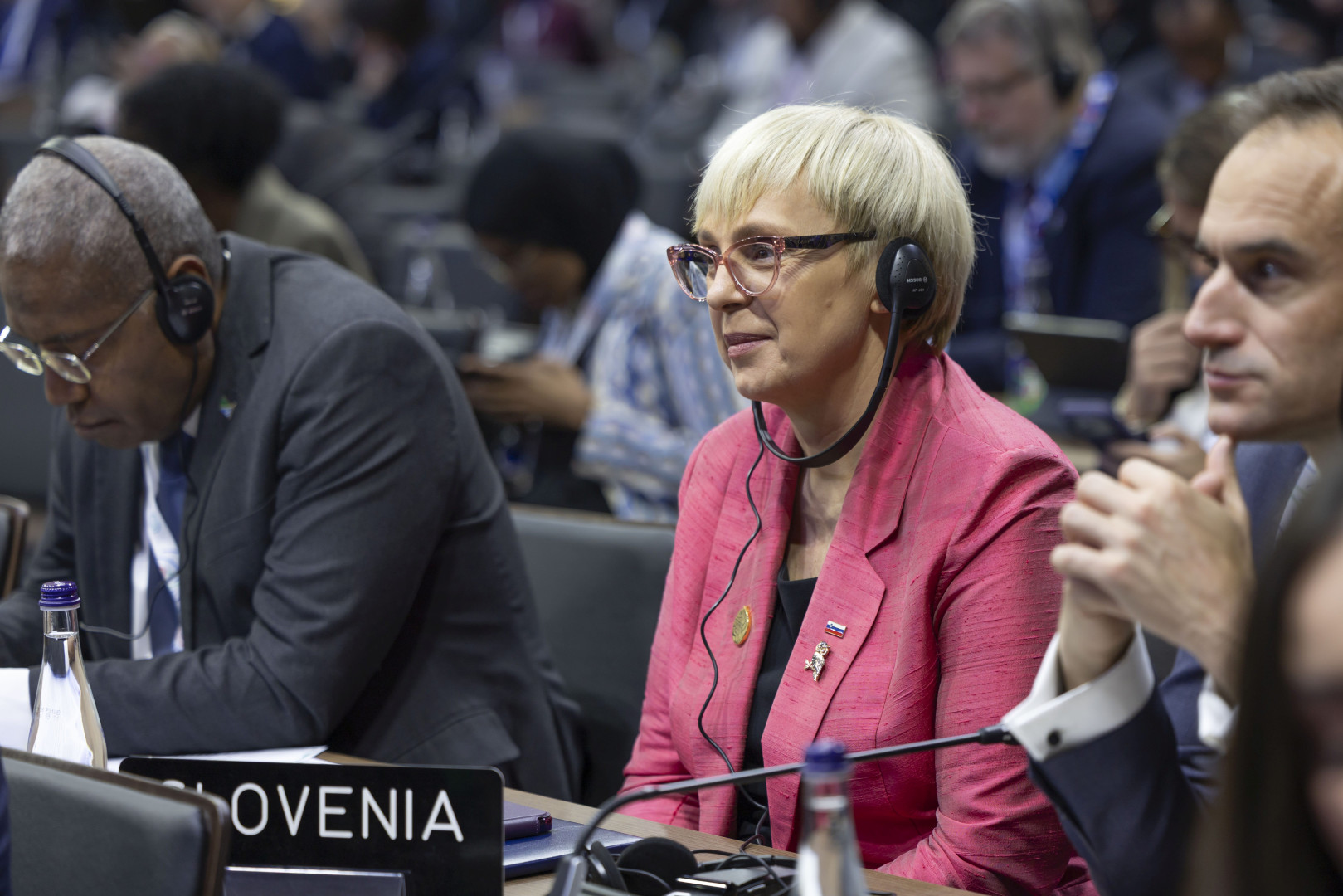
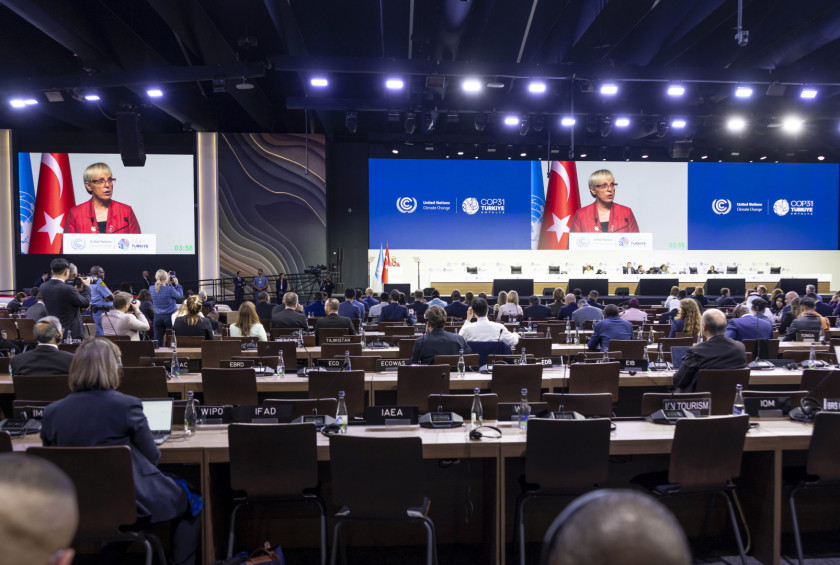
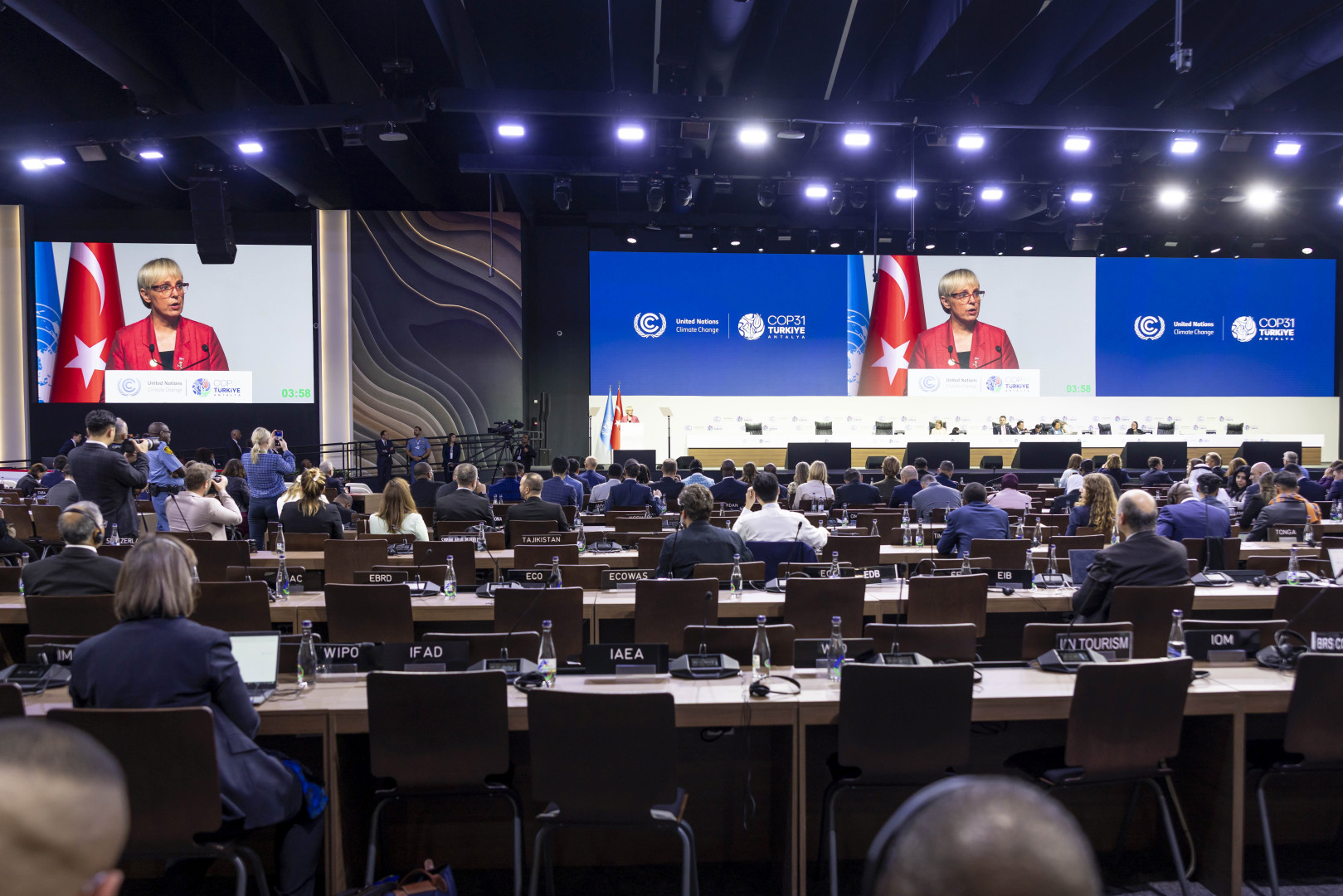
The President of the Republic of Slovenia, Nataša Pirc Musar, is attending the COP31 climate summit, the annual Conference of the Parties to the United Nations Framework Convention on Climate Change. In her address at the Leaders' Summit, she called for a more decisive and more rapid collective action to combat climate change, emphasising that political decisions must be based on scientific evidence, respect for human rights, and responsibility towards future generations.
Publish date Antalya, Republic of Türkiye,
The President's speech focused on four key messages. First, she highlighted the crucial role of climate science and the responsibility of political leaders to turn scientific evidence into concrete political action. "We, as leaders, must be the voice and guardians of climate science," she said, warning that our decisions must not be guided by short-term political interests.
Her second message focused on the expectations of people around the world calling for stronger joint action. She referenced a UNDP survey in which over 80 per cent of respondents expressed the view that countries should set aside their differences and join forces in the fight against climate change. "Do we really have the right to ignore them? No, because their rights are not ours to bargain away. We have pledged to protect those rights. And we are here to honour that pledge," she stated.
She drew particular attention to the people of the Global South and the Pacific region, whose livelihoods and well-being depend directly on the decisions made by world leaders. Climate action must not come at the expense of human rights, but should contribute to their protection. Sha said that the very least COP31 should achieve is a firm and unambiguous agreement to accelerate and strengthen collective efforts to achieve the long-term goals set out in the Paris Agreement.
In her third message, she emphasised the urgent need to move away from fossil fuels. She called for a gradual and just transition that considers different national circumstances, while emphasising that countries can no longer avoid addressing this issue. She made it clear that the time for hesitation was over. In her view, short-term financial gains and the interests of major oil companies must not take precedence over human dignity and the protection of nature.
Her fourth message focused on the responsibility towards young people. She believes that young people must be given a concrete and substantive role in shaping climate policies, and that their participation must influence the decisions taken rather than remaining merely symbolic. "We have a responsibility to protect their fundamental right, and indeed our own, to a clean, healthy and sustainable environment," she stressed.
In closing her speech, the President once again emphasised the responsibility that leaders have towards present and, above all, future generations. "I wonder how much longer we can expect young people to wait patiently for the concrete action that climate change crisis demands," she concluded. She said that such action cannot be selective and that serious climate policy cannot allow exceptions. Climate change affects the entire planet, not just individual regions or countries. Therefore, appropriate action must be taken to secure a fairer and safer future for all.
At COP31, Slovenia backed the EU's joint position, urging the swift implementation of the Paris Agreement and maintaining the objective of capping global warming at 1.5°C. Slovenia also advocates concrete results, the participation of all countries, and ambitious national climate commitments up to 2035.