Photo: Siniša Kanižaj/Slovenian press agency
In times of great changes, Europe must remain united, resilient and true to its values
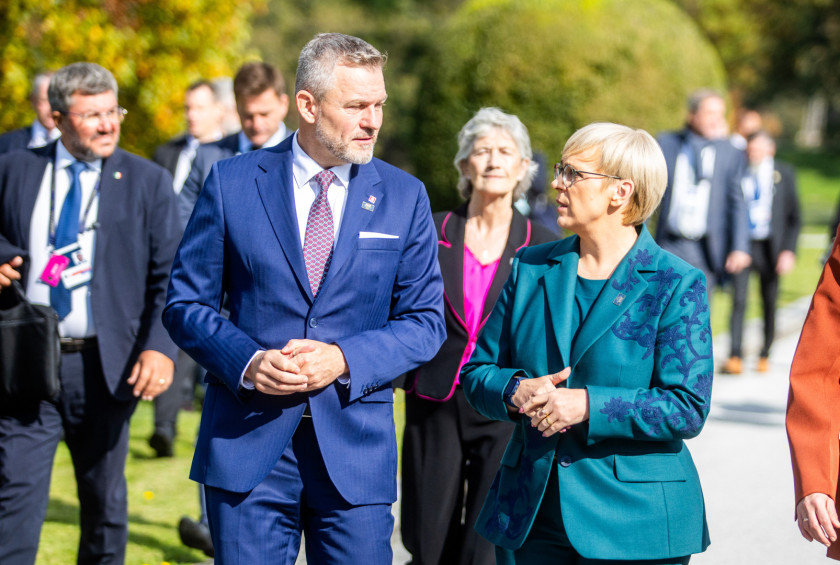
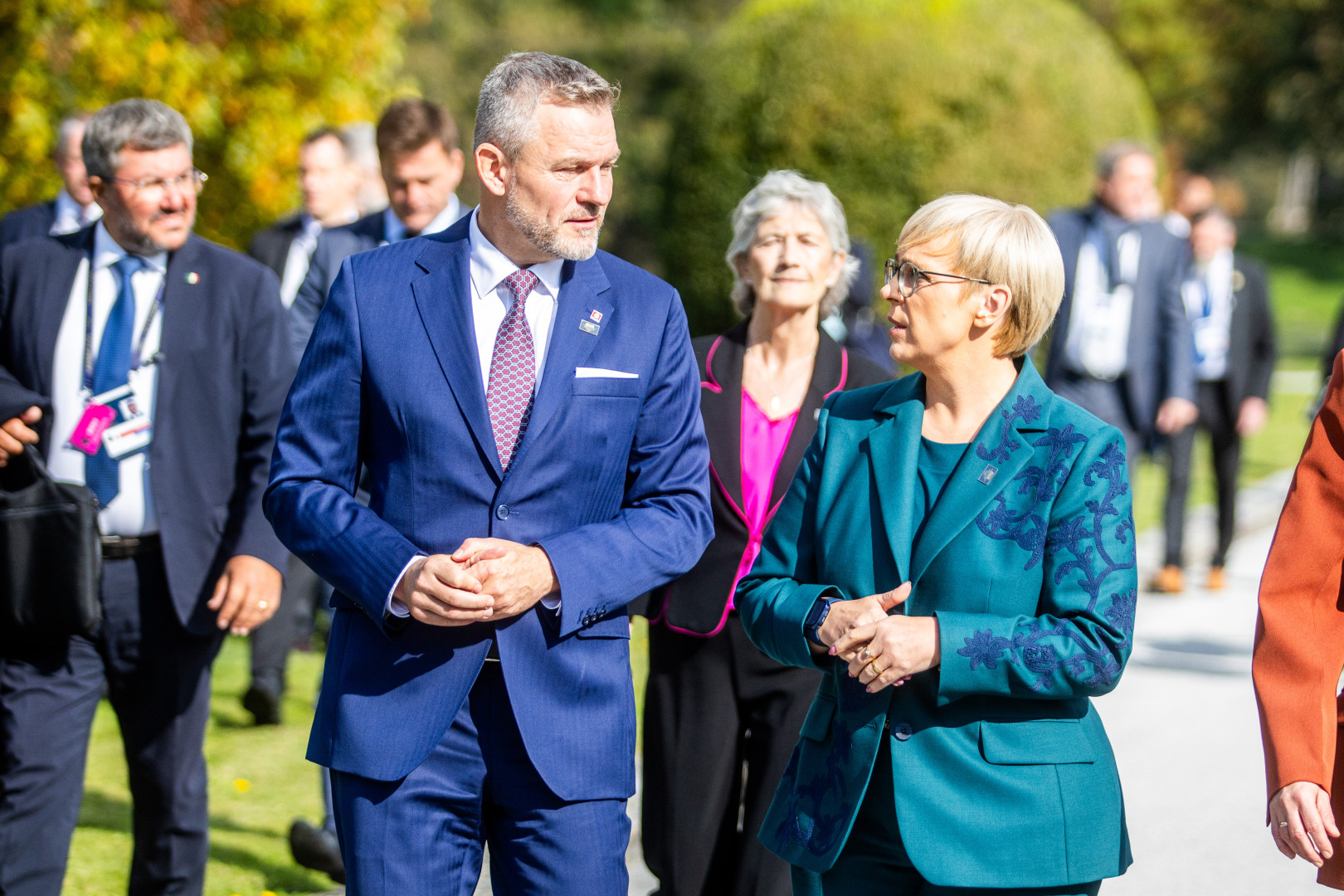
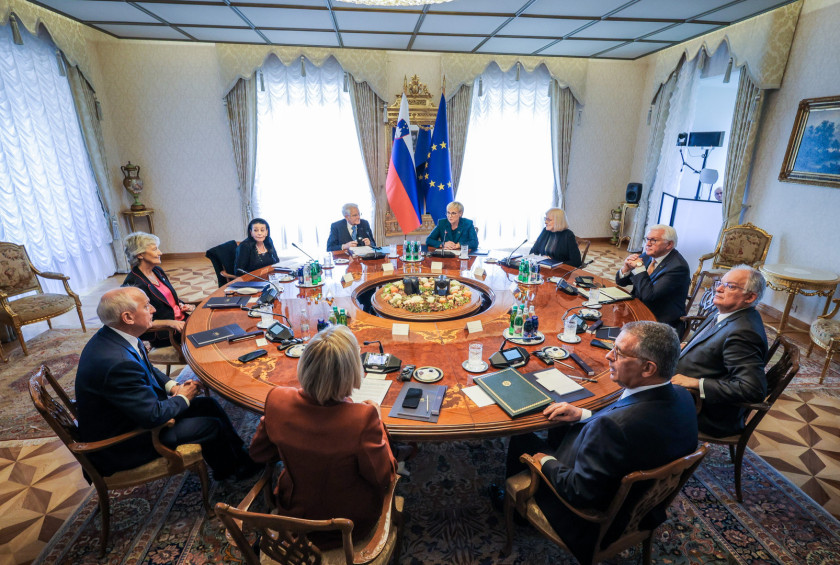
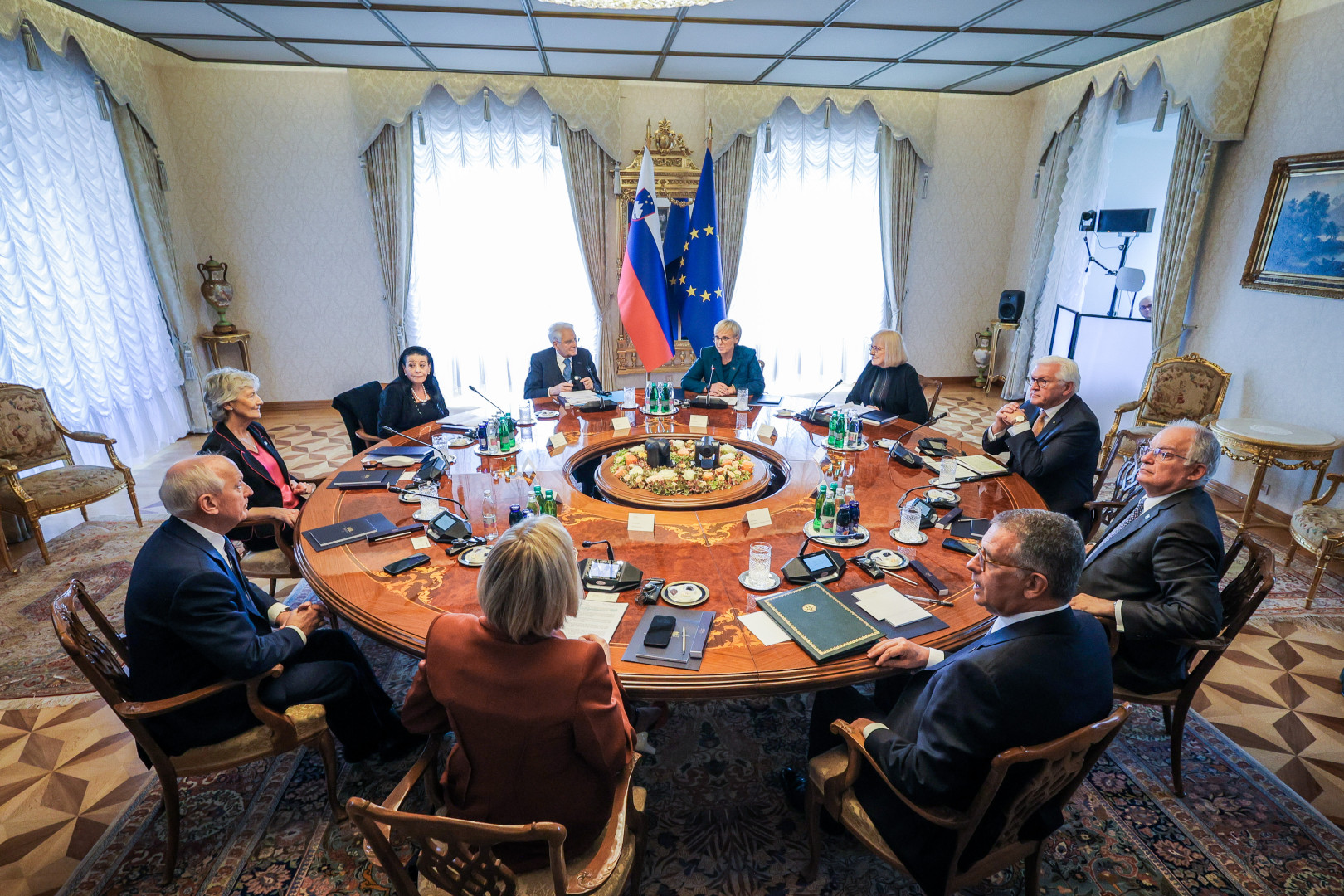
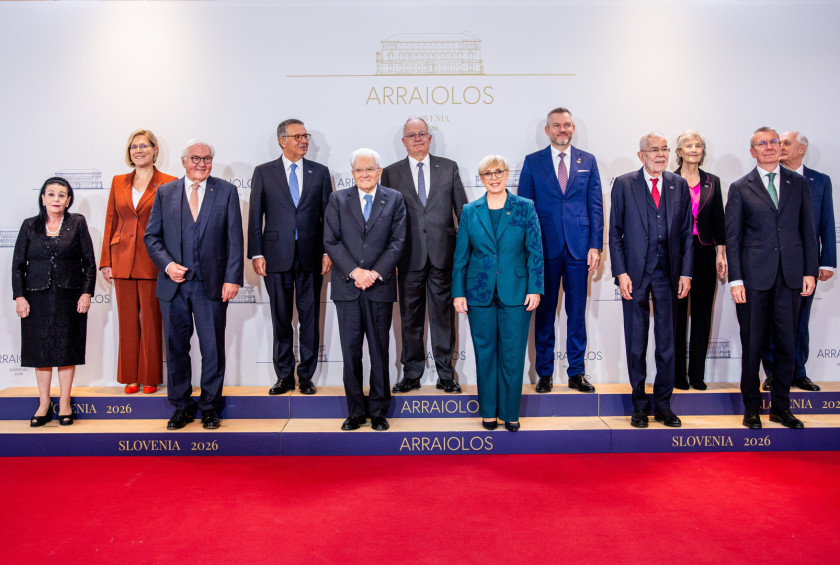
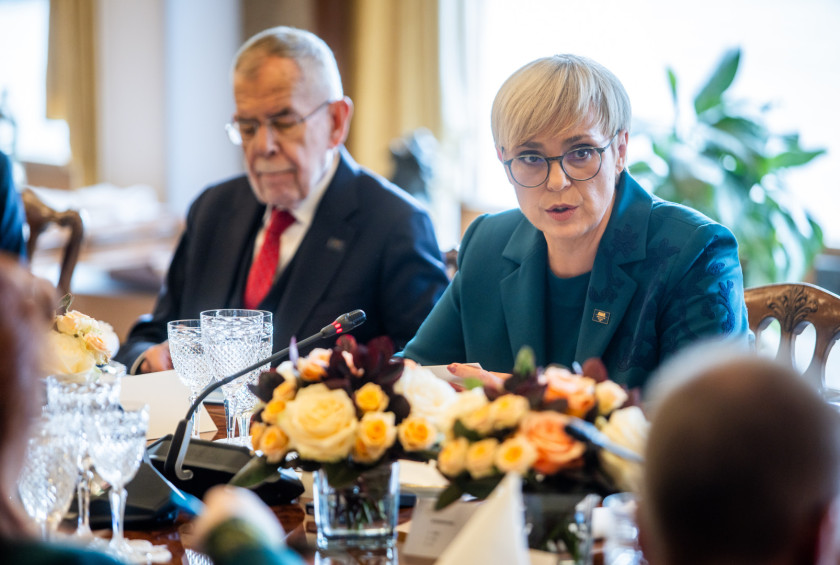
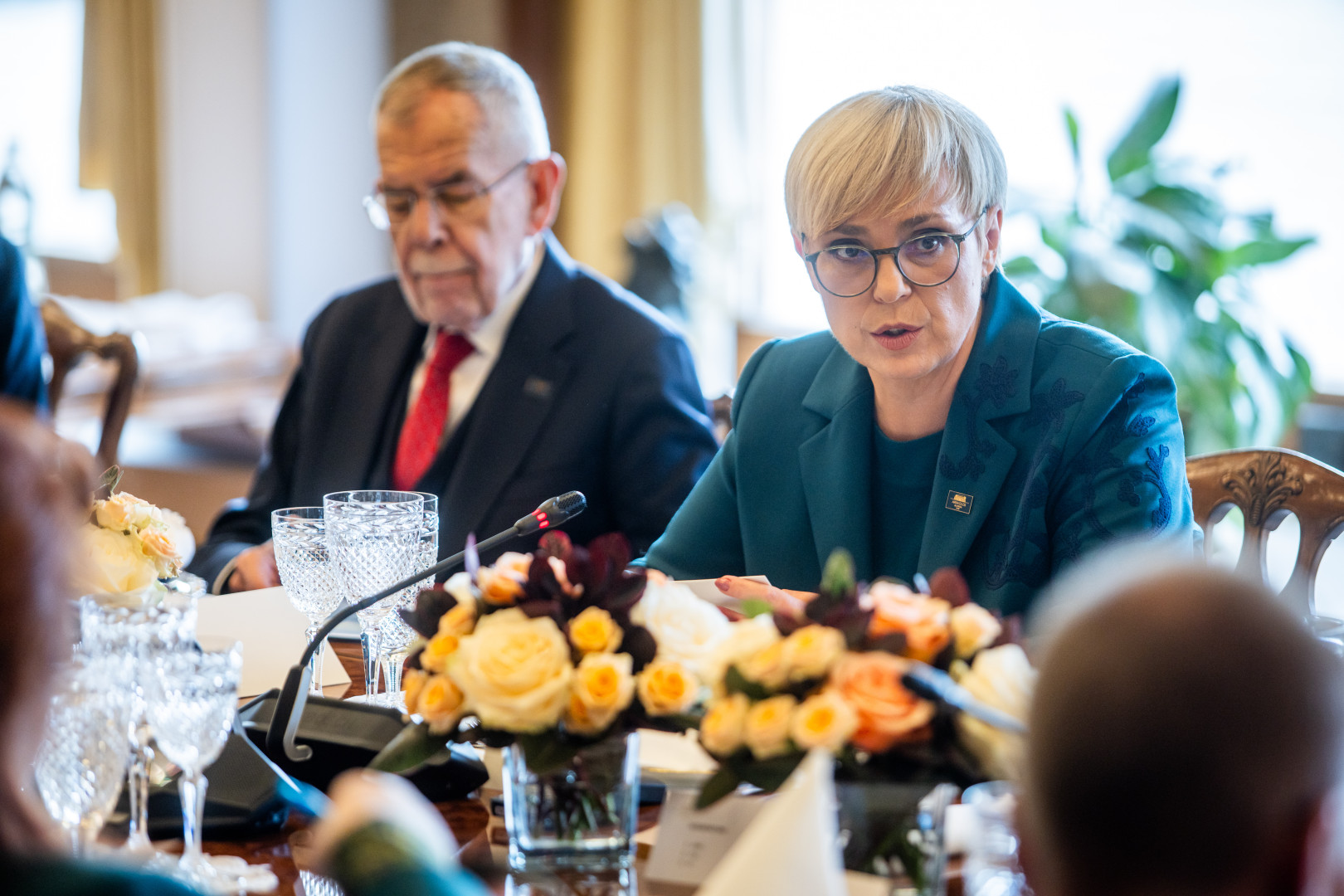
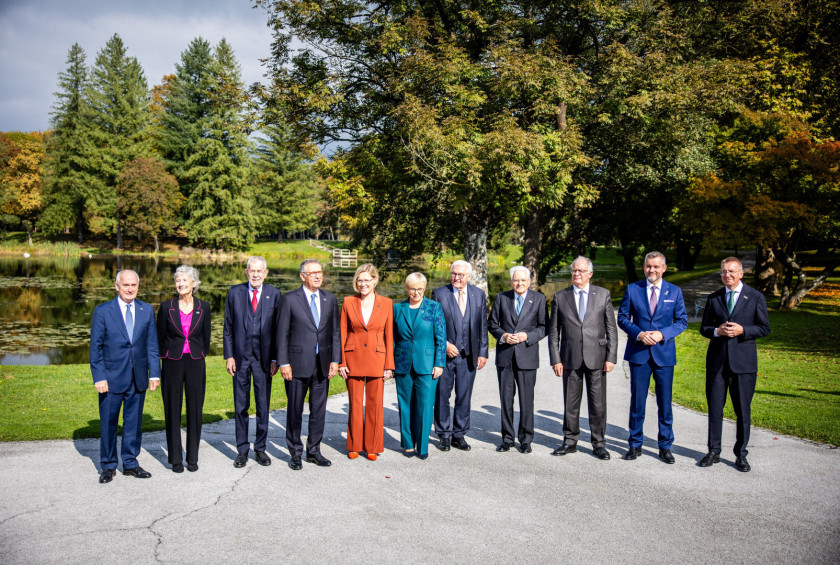
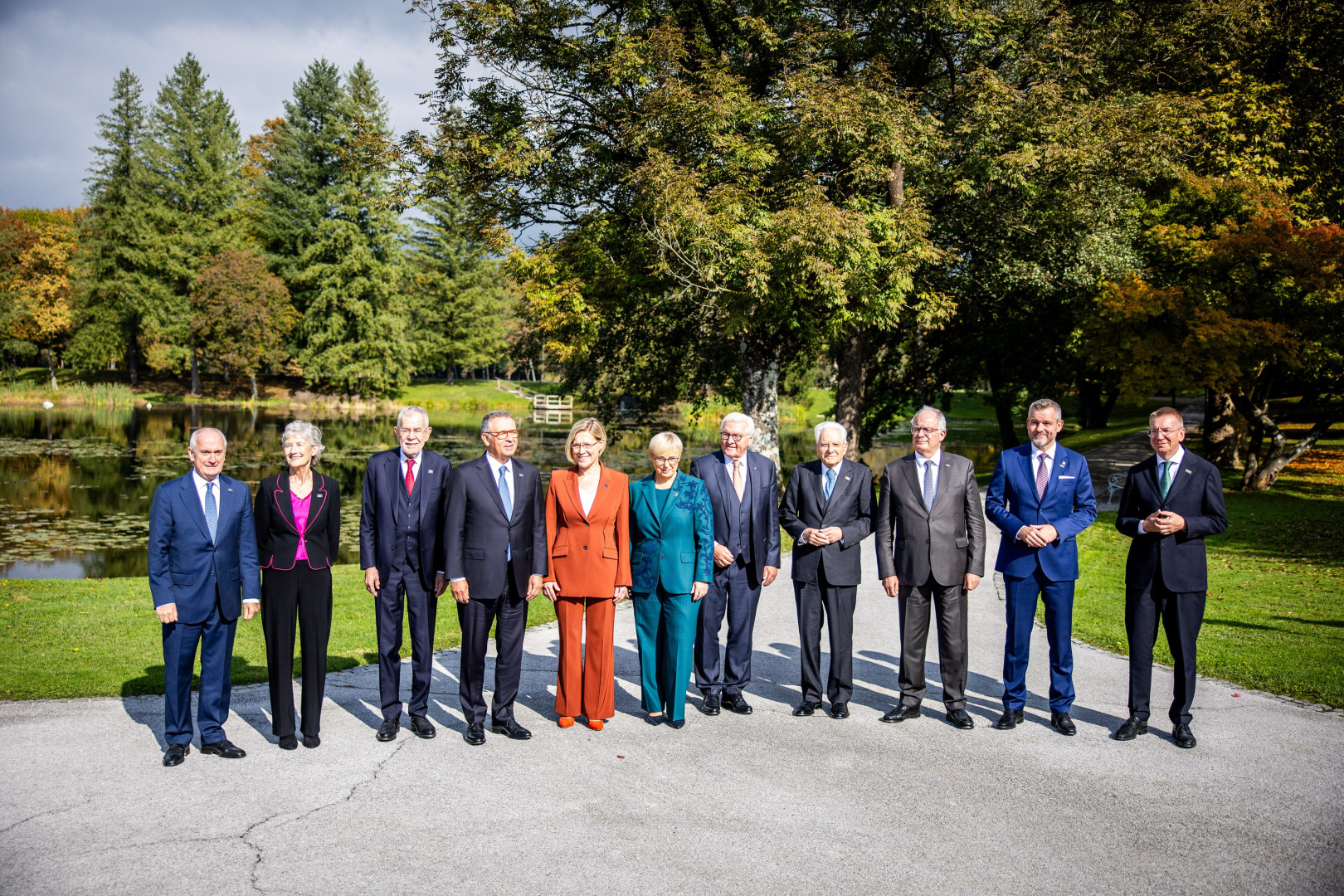
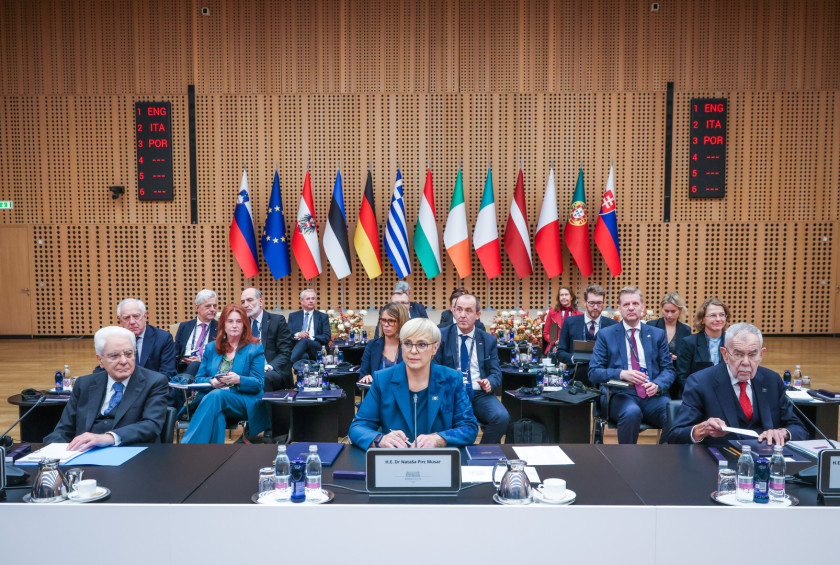
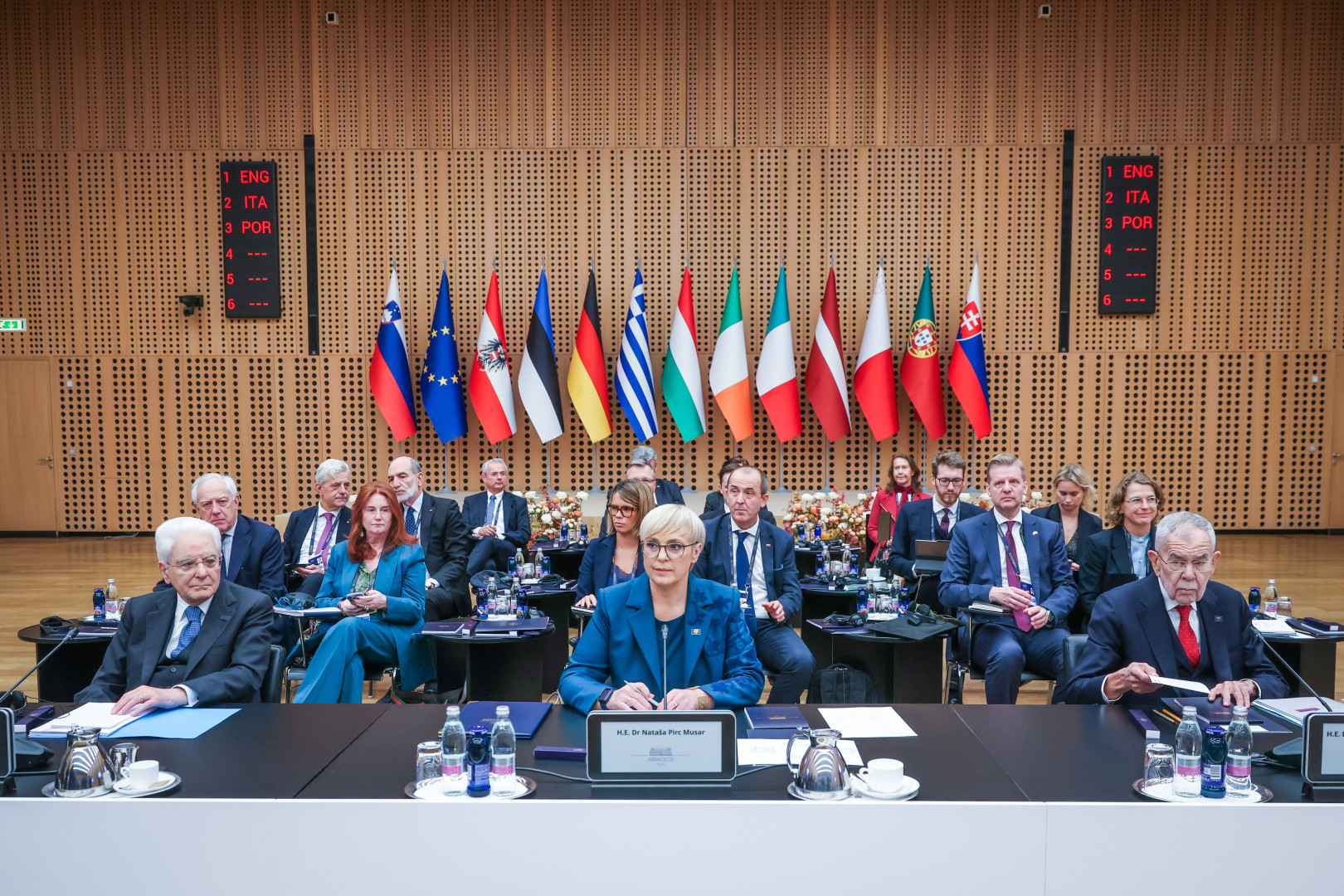
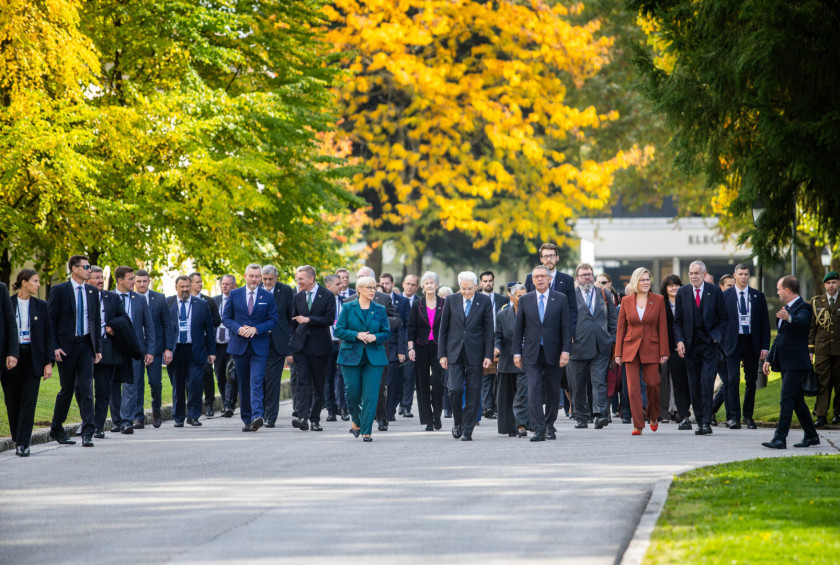
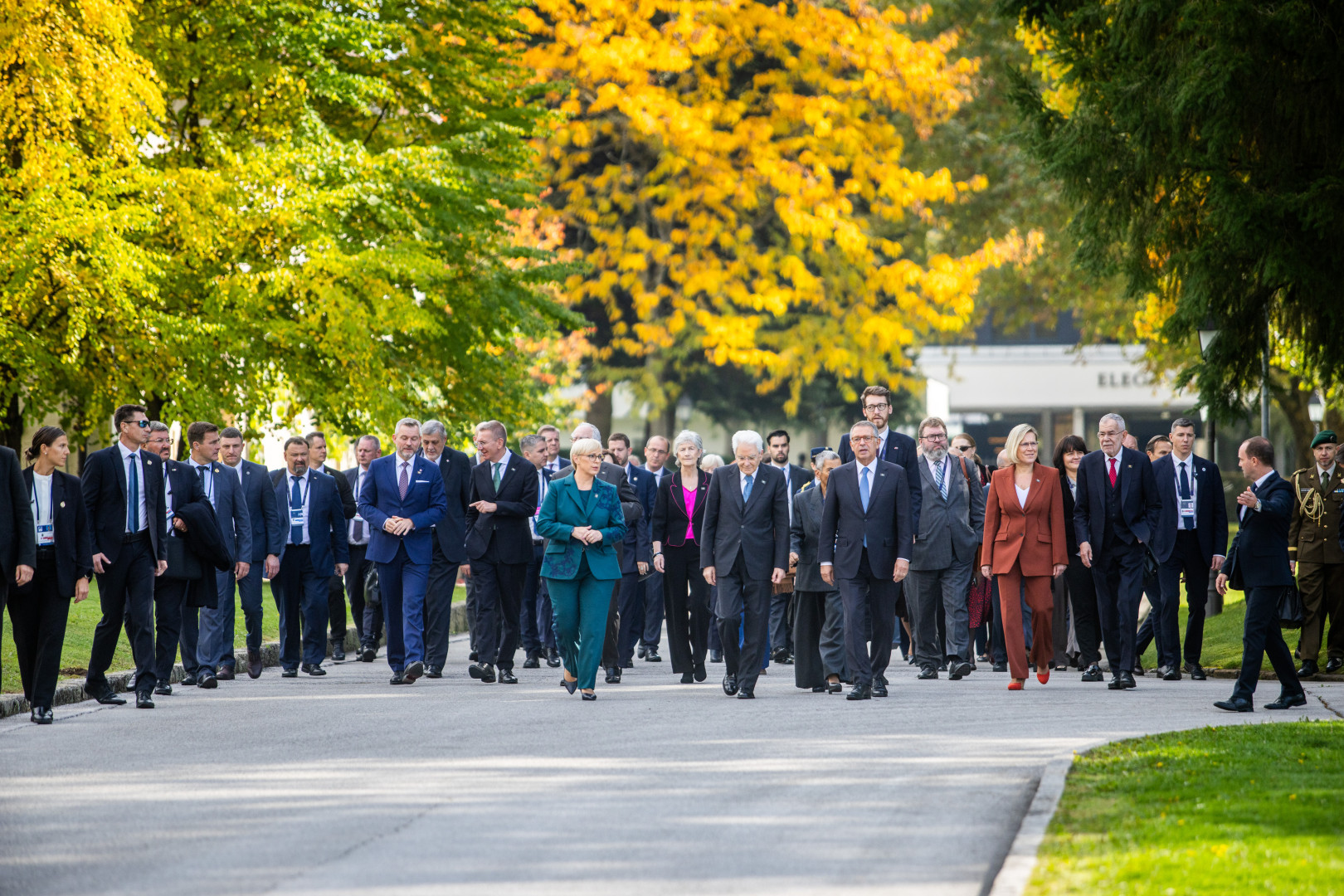
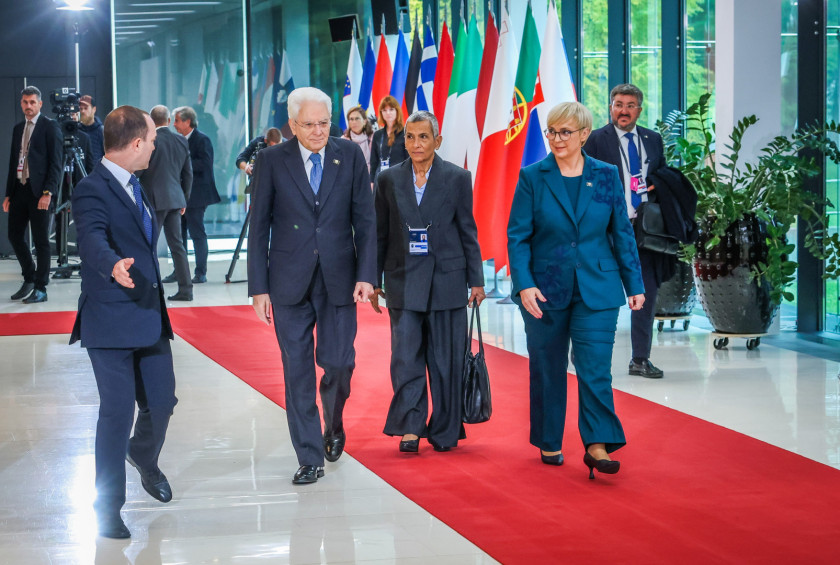
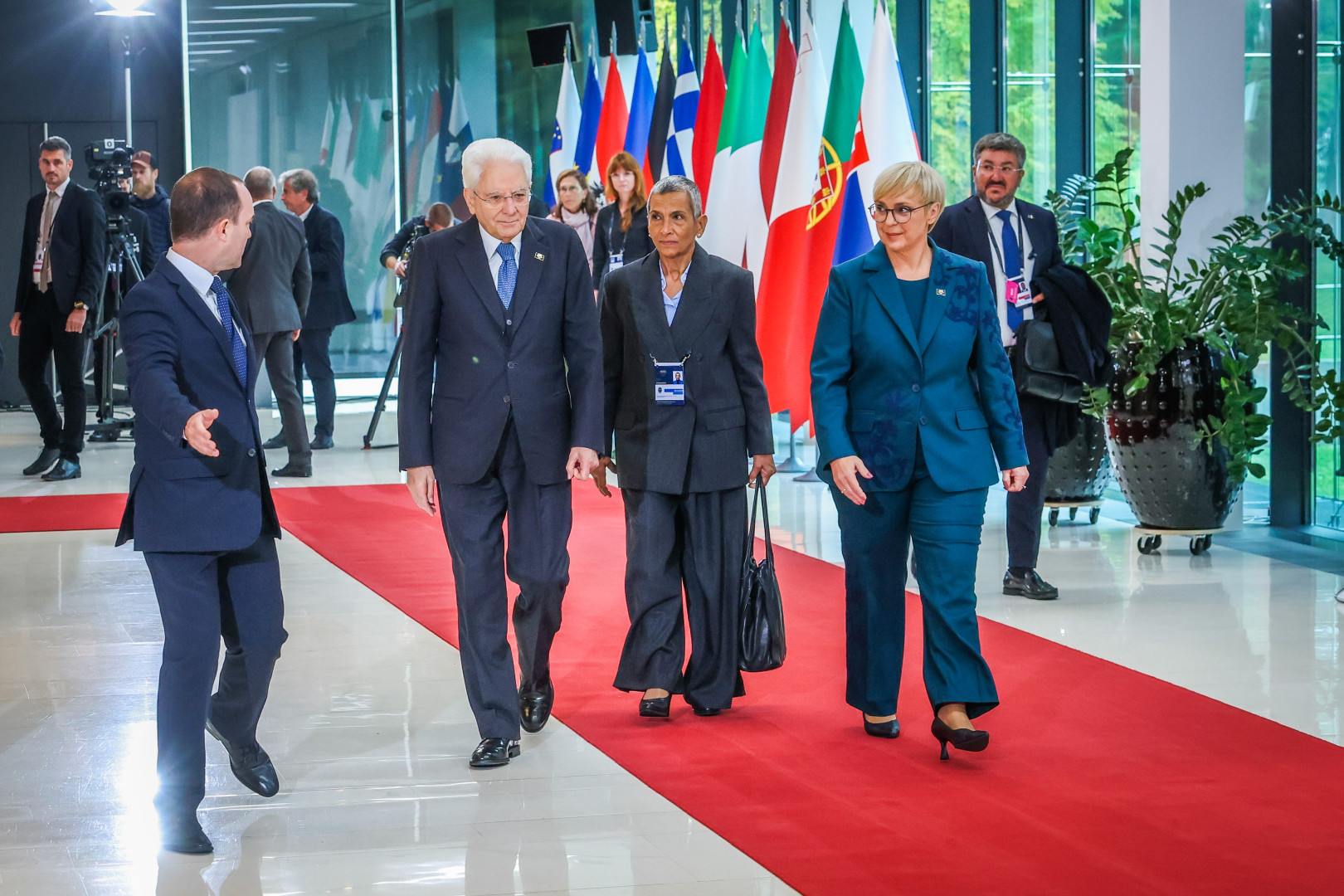
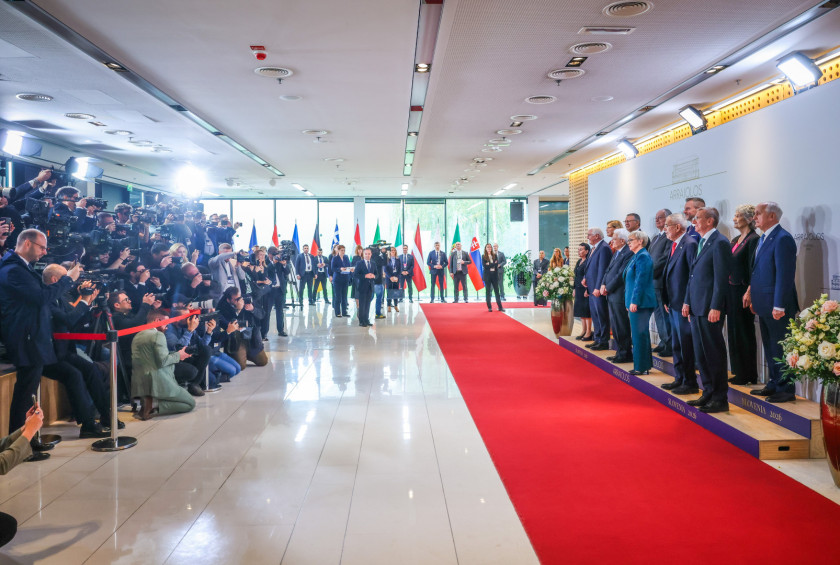
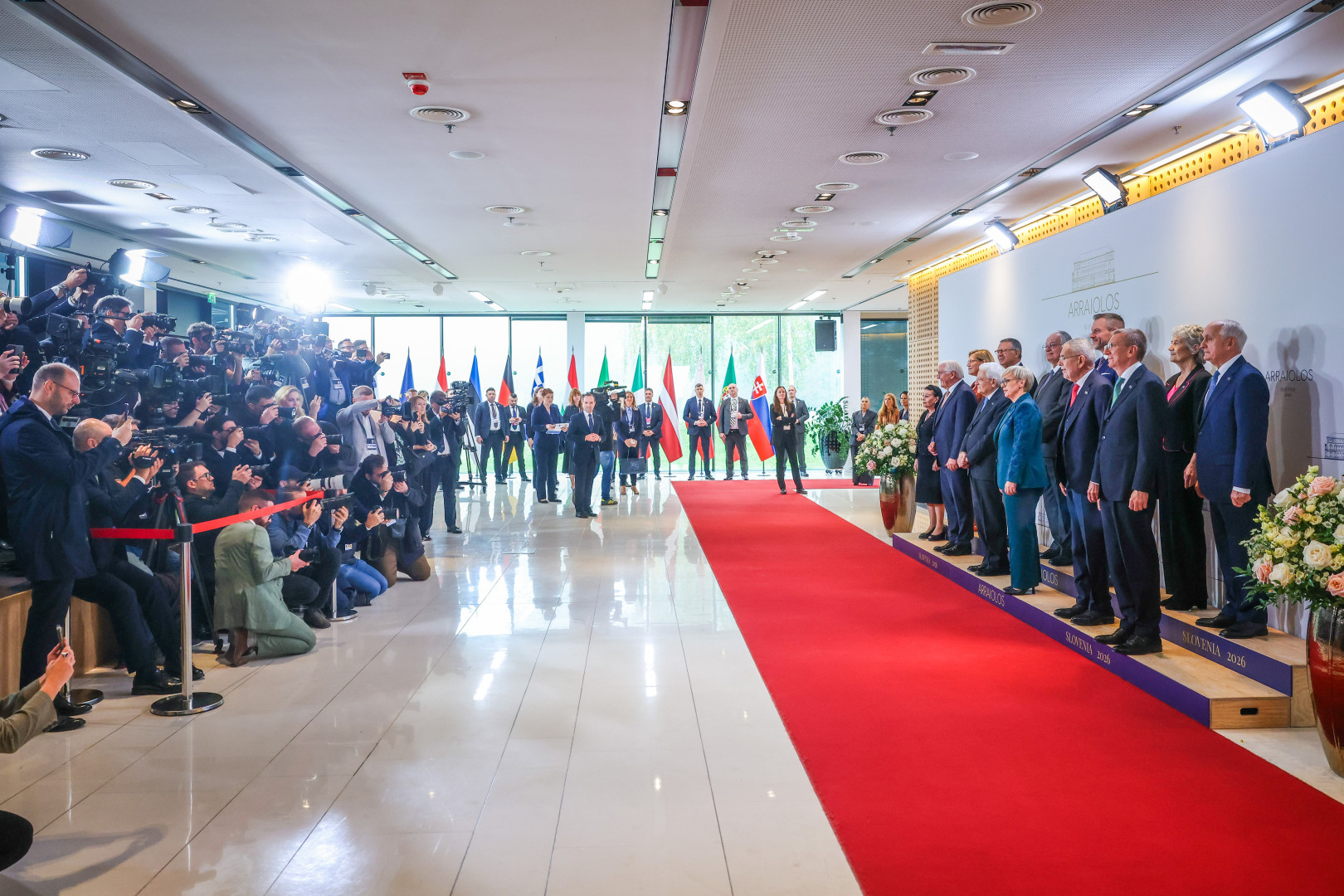
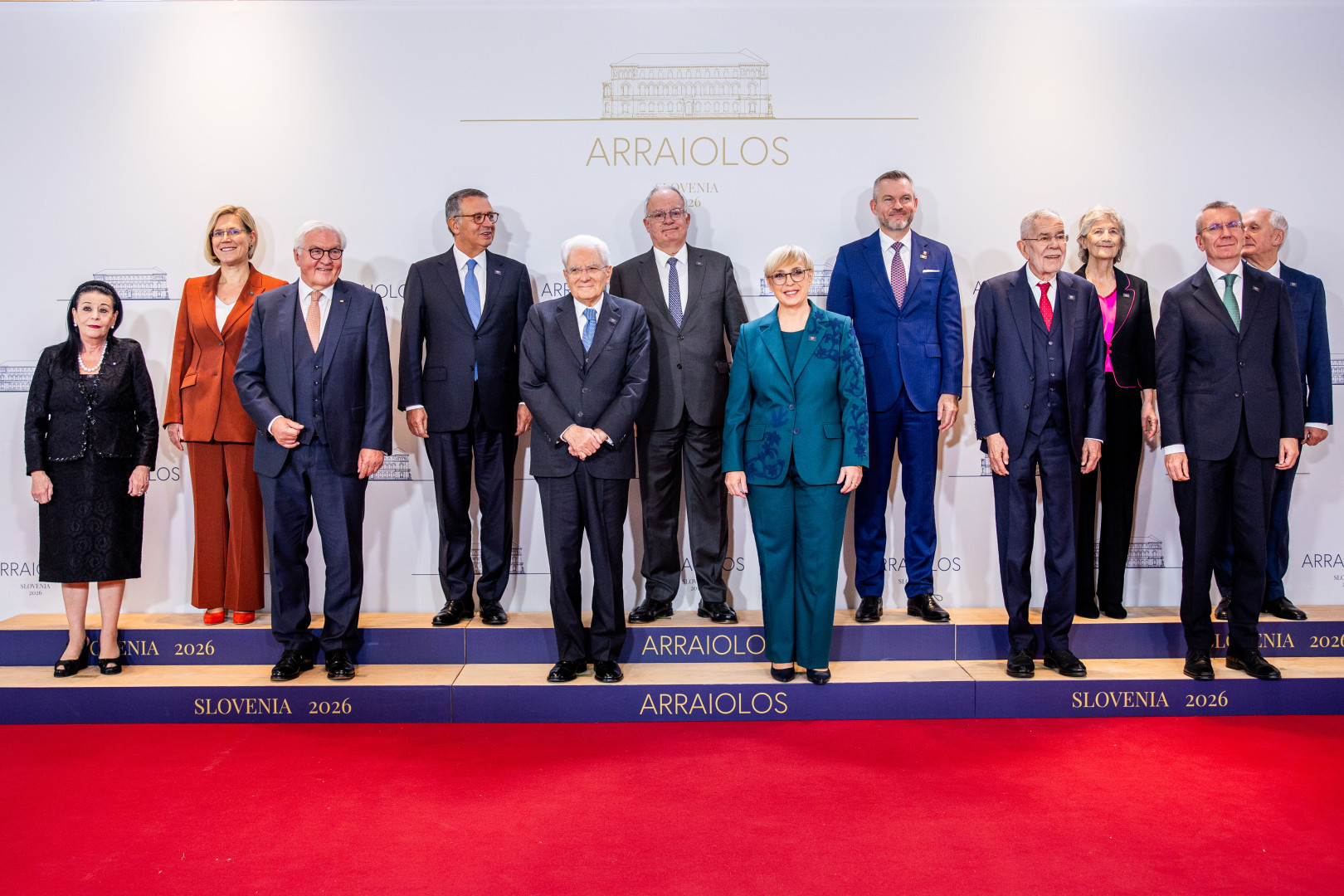
At the 21st meeting of the Arraiolos Group held at Brdo pri Kranju, the presidents of thirteen European countries highlighted the importance of European unity, resilience and the ability to act in times of deep geopolitical, security, economic and social change. At the heart of the debate were the future of the European Union and the question of how Europe can maintain its political weight and ability to act without losing the values on which it is founded.
Publish date Brdo pri Kranju,
Under the title “The European Union in a Time of Multiple Crises: Between Withdrawal and Perseverance”, the presidents of Austria, Estonia, Germany, Greece, Hungary, Ireland, Italy, Latvia, Malta, Slovakia, Portugal and Slovenia discussed the future of European integration, security and resilience, the competitiveness and the role of Europe in the international community.
They discussed the need for a decisive response to new circumstances, such as Russia’s aggression against Ukraine, irregular migration and artificial intelligence, while safeguarding democracy, human rights, the rule of law, solidarity and human dignity.
In the participants’ view, Europe’s strength is closely linked to the cohesion of European societies and the effectiveness of European institutions. Reforms are essential, but they must be carried out with the active involvement of the public. Strengthening competitiveness, economic resilience, social security and the strategic ability to act are interrelated goals. Young people, their knowledge, creativity and social inclusion, as well as providing equal opportunities for the development of their potential and professional ambitions play an important role in this.
A significant part of the discussions was dedicated to the future of multilateralism and international institutions. The participants emphasised the importance of international cooperation, respect for international law and effective multilateral system as foundations for peace, security and stability, in particular at a time of growing pressure on international institutions.
The debate also touched on the less obvious consequences of modern crises – anxiety, uncertainty, fear and trauma, which affect both individuals and societies and can exacerbate the conflicts. Sociologist and philosopher Renata Salecl addressed this aspect in her opening remarks during the closed-door session. She pointed out the fraying of social ties and the rise in rudeness, humiliation and contempt in the public sphere. She also highlighted that feelings of helplessness about major, distant threats can be redirected into anger towards individuals or groups. Institutions, political leaders and the wider democratic culture play an important role in responding to uncertainty.
Security cannot be understood only as an issue of military and national security. It also includes a sense of dignity, belonging and trust, as well as the opportunity to live a dignified life. The resilience of European societies is therefore linked to their ability to engage in dialogue, show mutual respect and resolve conflicts peacefully.
The two-day meeting, hosted for the first time in Slovenia by President of the Republic of Slovenia Nataša Pirc Musar, confirmed the shared commitment to cooperation, resilience and European values. The future of Europe will depend on its ability to transform its diversity into strength, values into action and resilience into the ability to shape the future.