“Volunteering in the Current Social Context: Role, Dilemmas and Development Perspectives”
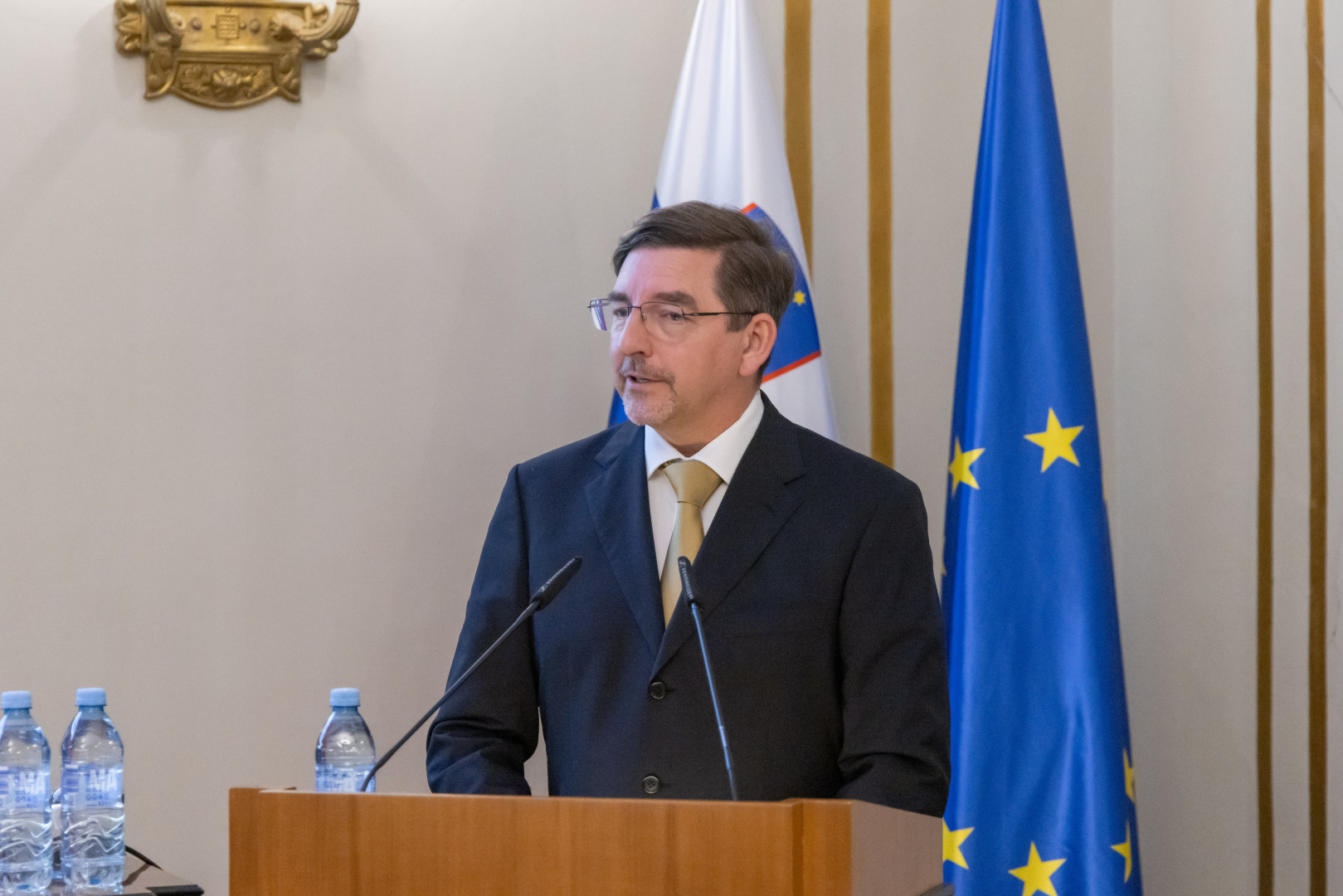
Dr. Aleš Musar, spouse of the President of the Republic of Slovenia, attended the seminar entitled “Volunteering in the Current Social Context: Role, Dilemmas and Development Perspectives”.
Publish date Ljubljana,
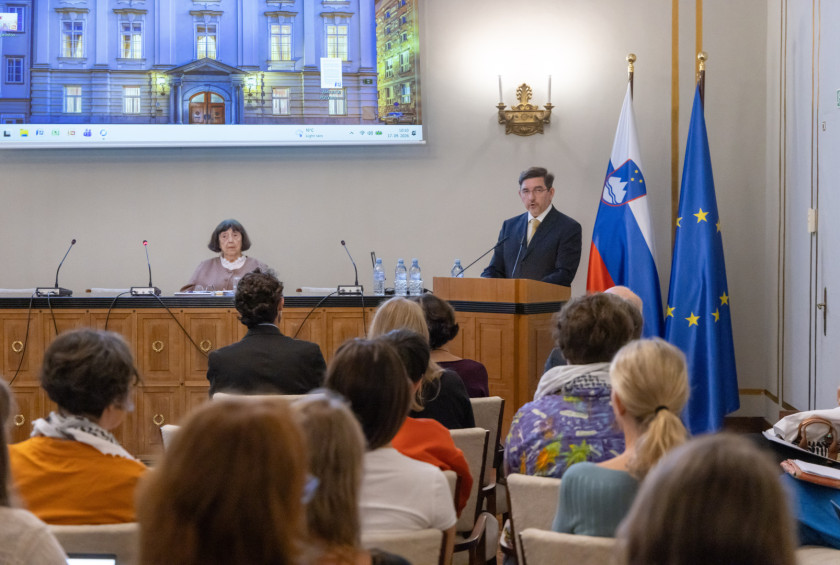
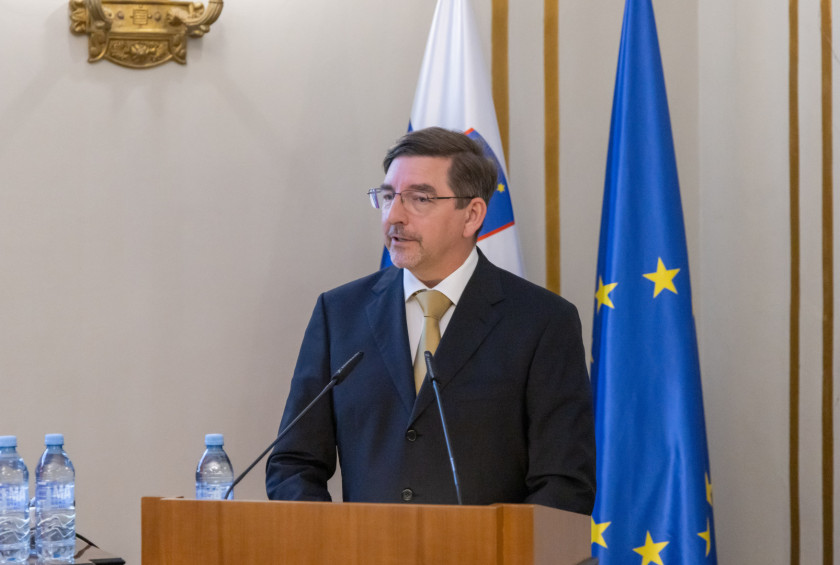
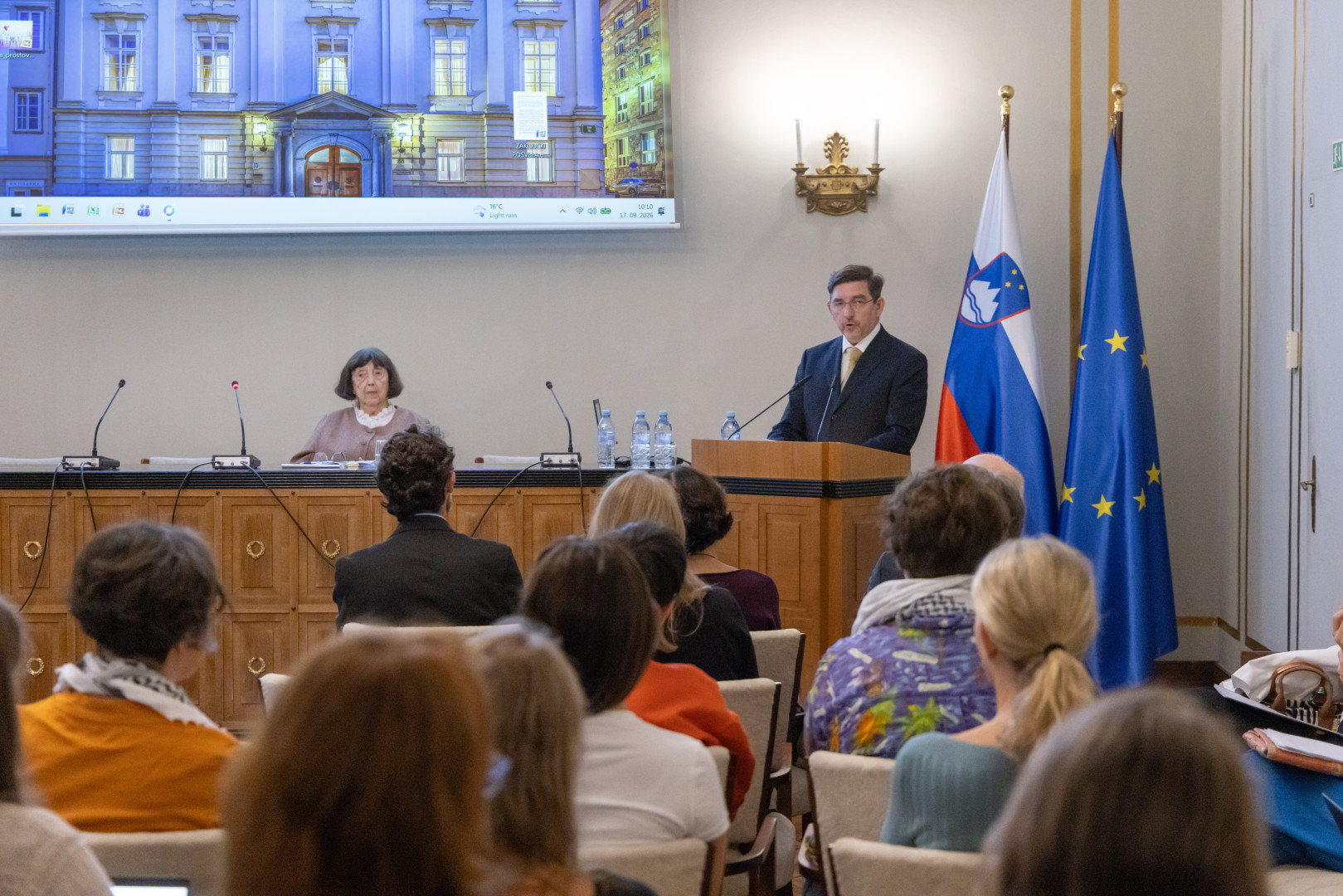
On 17 September 2026, Dr. Aleš Musar, spouse of the President of the Republic of Slovenia, delivered the opening address at a seminar held at the Slovenian Academy of Sciences and Arts (SAZU). In his remarks, he emphasized that volunteering is “at home in Slovenia.” He noted that the designation of 2026 as the International Year of Volunteering for Sustainable Development provides an opportunity to reflect anew on the role of volunteering in society, as well as on its dilemmas and future development perspectives.
Dr. Musar recalled Slovenia’s long tradition of humanitarian and volunteer engagement and highlighted the many forms of volunteering that constitute an important part of Slovenian society. Among these, he particularly singled out voluntary firefighting as one of the most recognizable features of Slovenia’s resilience. He also stressed that volunteering is not merely about donating resources, but above all about an individual’s willingness to dedicate their time and effort to the community.
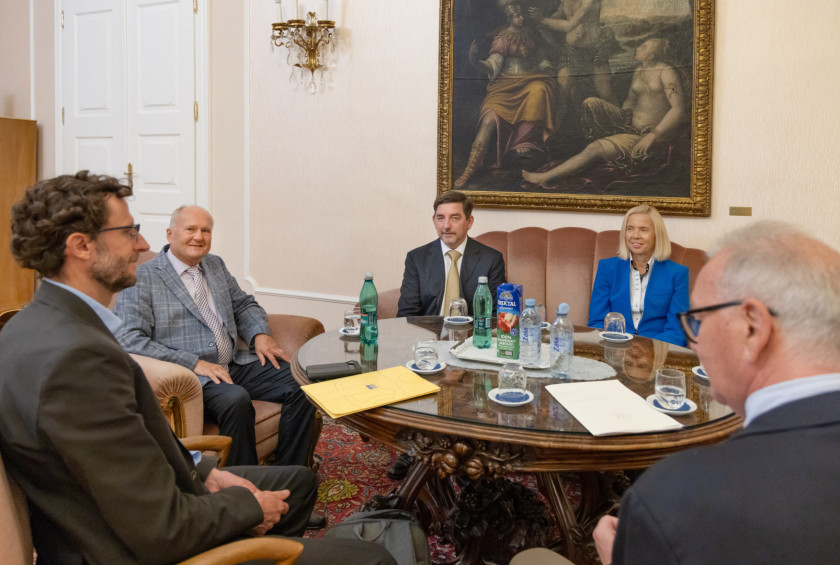
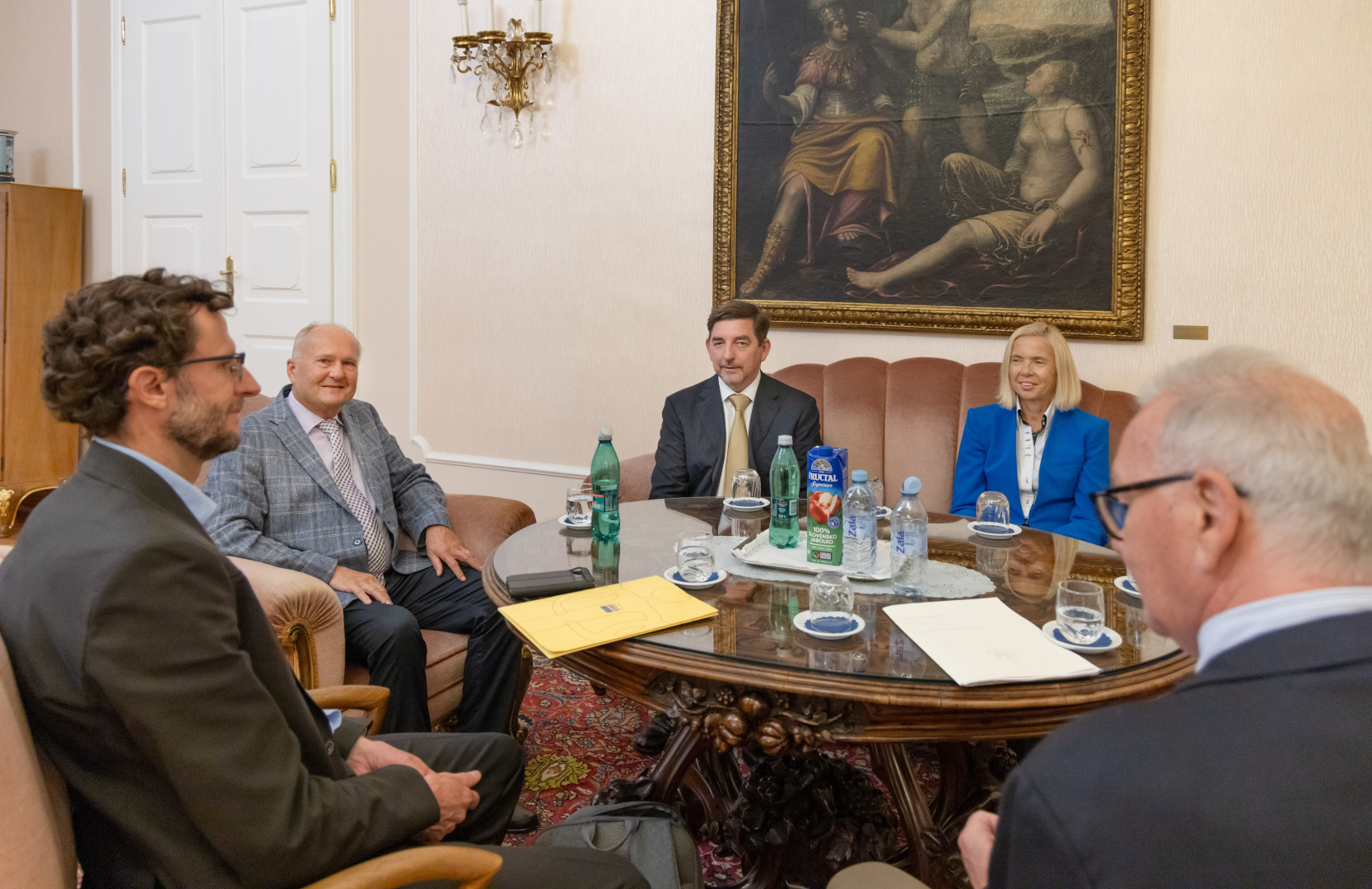
Prior to the seminar, Dr. Musar met with the leadership of SAZU and the organizers of the event. The seminar aimed to address issues related to the values, content, organization and modes of operation of the voluntary sector, as well as the dilemmas and challenges facing the development of volunteering in today’s uncertain social environment.
Participants emphasized that volunteering represents a public good that is essential for integrating individual and societal potentials and factors into a form of human life that is sustainable and respectful. As a public good, volunteering is based on the public and voluntary engagement of personally committed and socially conscious individuals in addressing the concrete life challenges faced by individuals and groups.
One of the key conclusions of the seminar was that volunteering must remain guided by the value of humanity in the ways people live, feel and act—both among those whom volunteering is intended to serve and among the volunteers themselves.