Photo: Office of the President of the Republic
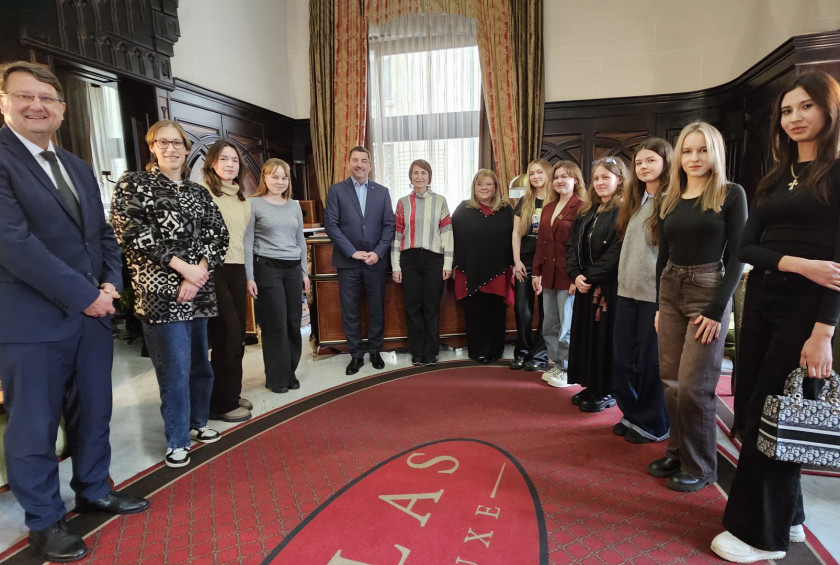
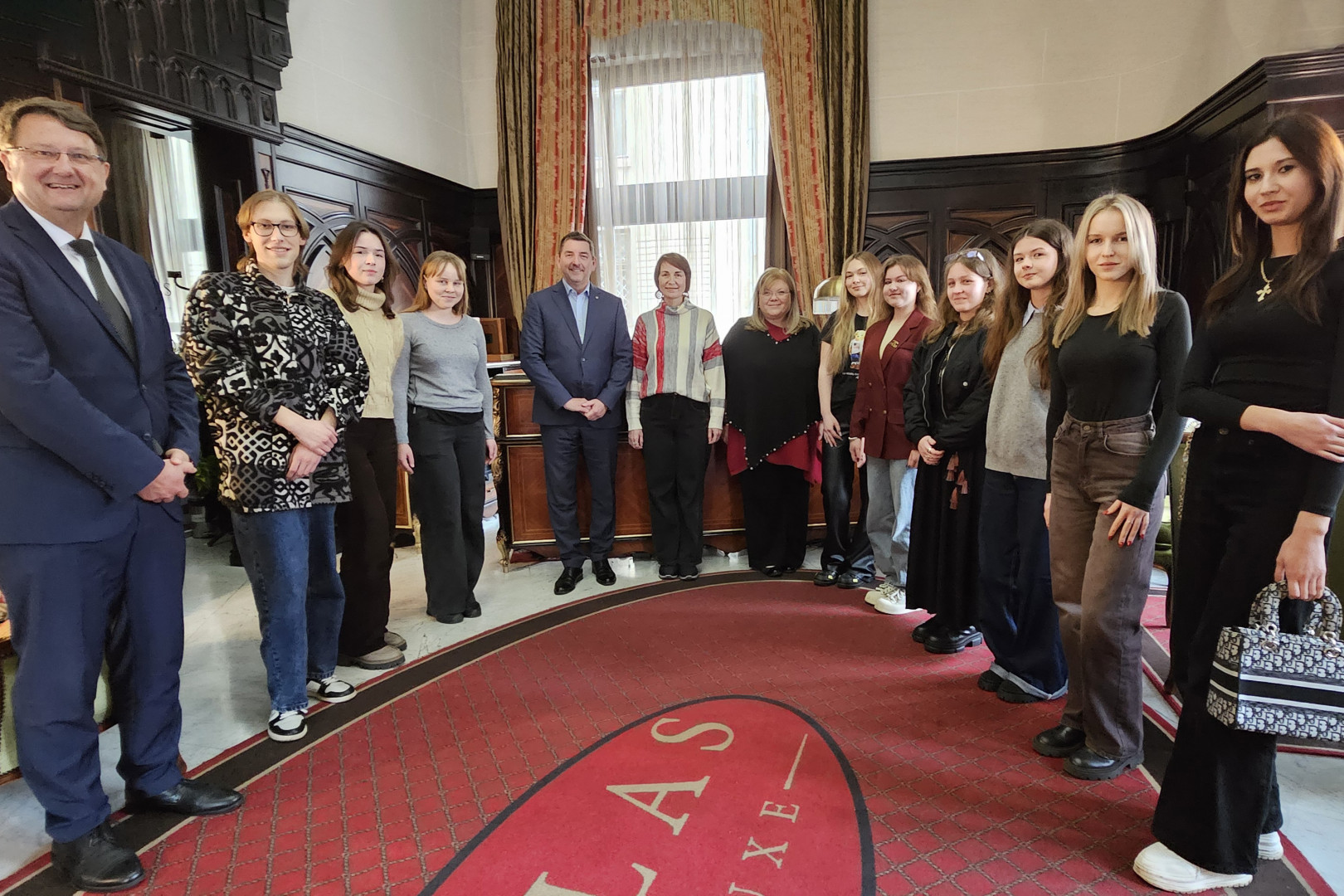
Meeting of Dr. Aleš Musar, spouse of the President of the Republic, with students of the Slovenian language in Lviv, Ukraine
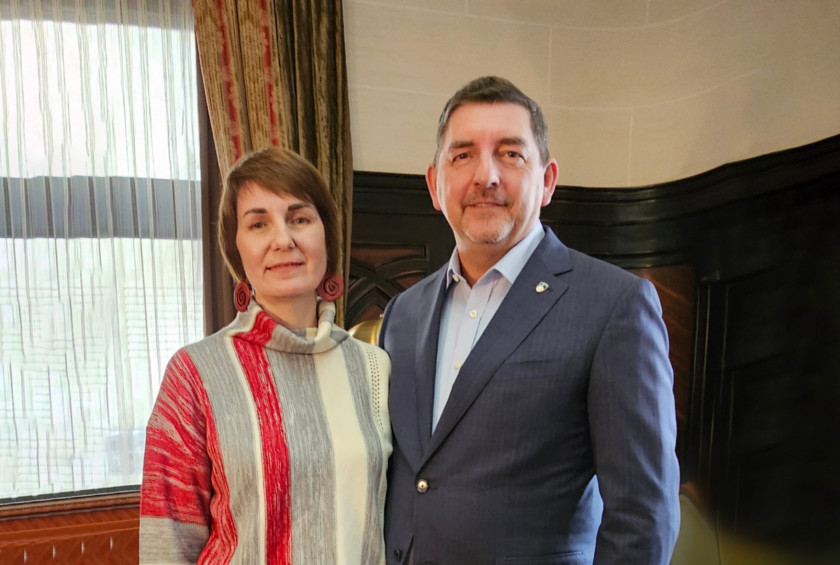
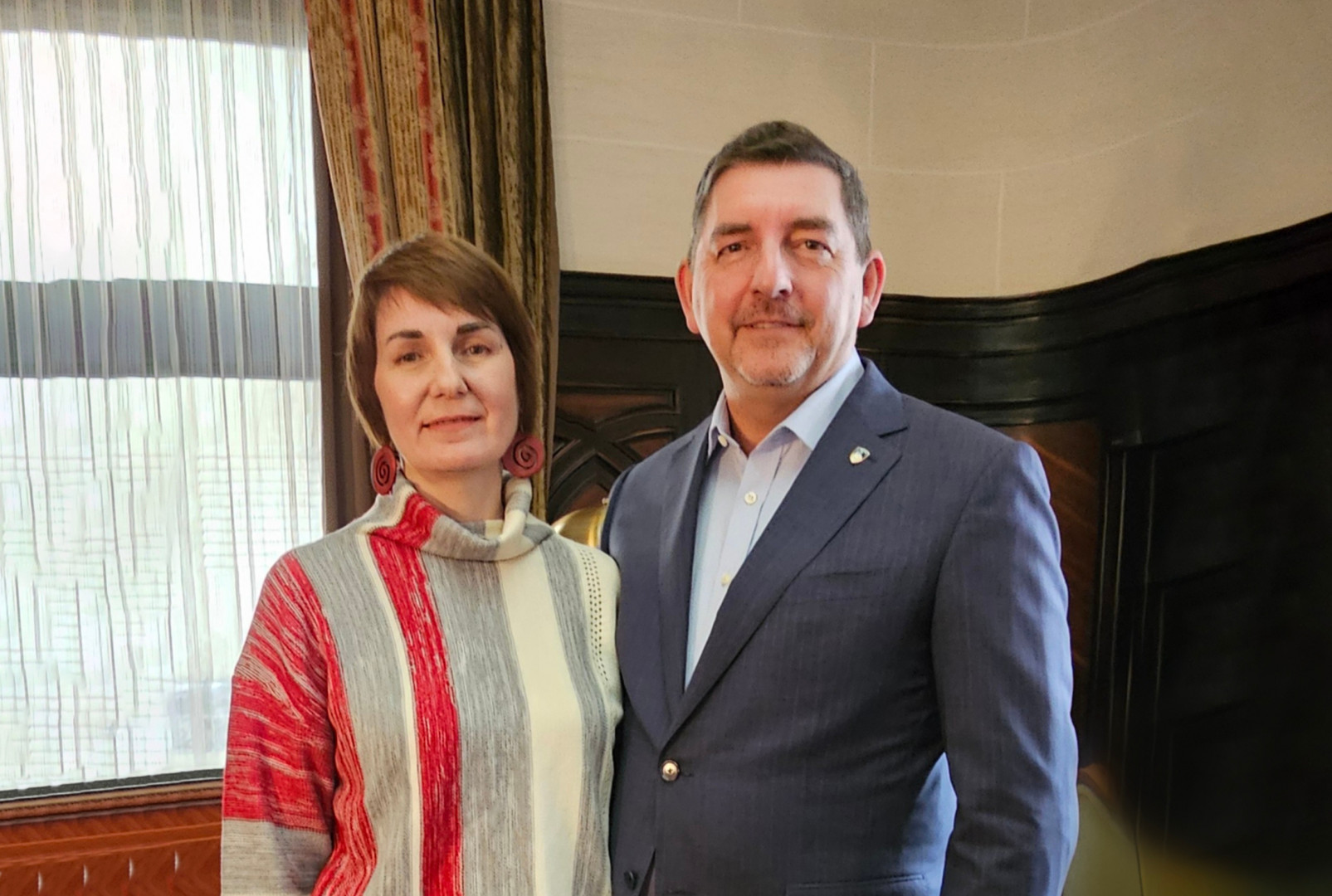
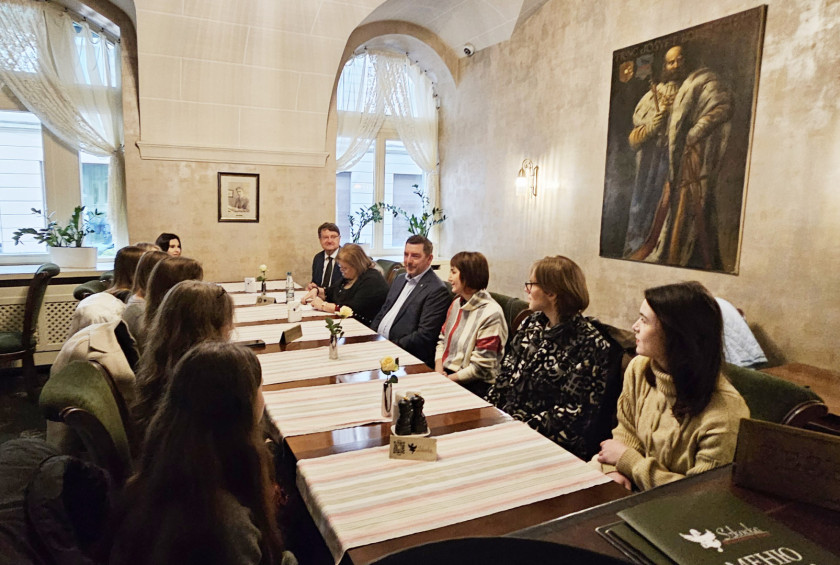
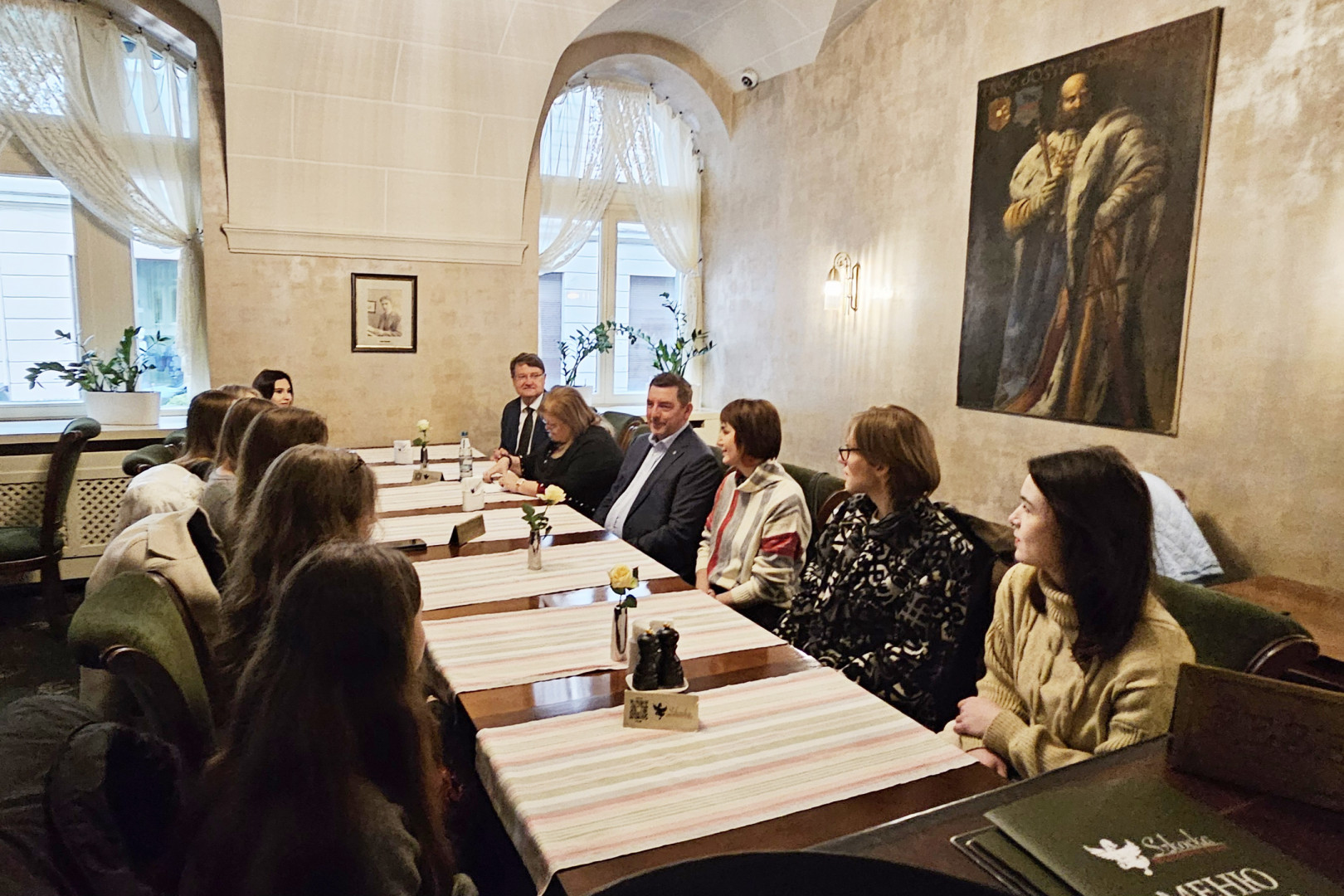
At the end of his visit to Ukraine, on 16 November 2025, Dr. Aleš Musar, the spouse of the President of the Republic, met with students of Slovenian language at the University of Lviv, taught by Professor Natalija Horoz, lecturer of Slovenian language in Lviv, and Professor Primož Lubej from the University of Ljubljana. Dr. Musar was accompanied by Ms. Mateja Prevolšek, Ambassador of Slovenia to Ukraine, and Mr. Tomaž Lovrenčič, Director of ITF.
Publish date Lviv, Ukraine,
The students and lecturer Horoz, together with Dr. Musar, discussed areas in which learning and studying the Slovenian language is particularly interesting and has concrete significance. These include cultural cooperation between the two countries, which is rich yet still insufficiently researched; studies of the historical ties between Ukraine and Slovenia, which are deep and multifaceted; the growing needs of companies from both Slovenia and Ukraine seeking business opportunities in economic cooperation; and, of course, Ukraine’s process of accession to the European Union, where it holds candidate status. Since Slovenia’s entry into the EU in 2004, Slovenian has been an official EU language, making the study of Slovenian by Ukrainians an excellent investment in a shared European future.
When asked by Dr. Musar which Slovenian literary works the Ukrainian students like most, the majority mentioned the renowned Slovenian author Tadej Golob and his first Slovenian crime novel, “Jezero” (The Lake). The book is well known among the general reading public in Slovenia, and it is noteworthy that it is also read by students of Slovenian language around the world—a fine recognition of both the author and the Slovenian language. At the conclusion of the discussion, Dr. Musar promised the Slovenian students and lecturer Professor Horoz that he would work toward even stronger connections with the Slovenian language and contemporary Slovenian writers, including Tadej Golob and others.